
Category

Cancer Awareness

Should You Get Screened for Head and Neck Cancer?

Head and neck cancer is a term used to describe a variety of cancers that occur in the head and neck region. This includes the oral cavity, pharynx, larynx, salivary glands, nasal cavity, and sinuses. The most common type of head and neck cancer is squamous cell carcinoma, which accounts for more than 90% of cases. This blog will guide you through the symptoms of head and neck cancer, the diagnostic process and treatment options.

Causes of Head and Neck Cancer:

The exact cause of head and neck cancer is unknown, but there are several risk factors that increase the chances of developing this type of cancer. The most significant risk factors include:

Tobacco and Alcohol Use: Tobacco and alcohol use are the leading causes of head and neck cancer. Smoking and drinking together increase the risk of developing this type of cancer more than either habit alone.
Human Papillomavirus (HPV): HPV is a sexually transmitted virus that can cause certain types of head and neck cancer, including oropharyngeal cancer.
Age: The risk of developing head and neck cancer increases as you get older.
Gender: Men are two to three times more likely to develop head and neck cancer than women.
Poor Nutrition: A diet lacking in fruits and vegetables may increase the risk of head and neck cancer.

Symptoms of Head and Neck Cancer:

The symptoms of head and neck cancer depend on the location of the cancer. Common symptoms include:

  • A lump or sore that does not heal
  • Persistent pain or discomfort in the mouth, throat, or ear
  • Difficulty swallowing or chewing
  • Persistent cough or sore throat
  • Swelling in the neck
  • Ear pain
  • Numbness or weakness in the face

Diagnosis of Head and Neck Cancer:

If you have symptoms of head and neck cancer, your doctor will perform a physical exam and may recommend further tests. These may include:

Biopsy:

A small piece of tissue is removed from the affected area and examined under a microscope to check for cancer cells.

Imaging tests:

These may include X-rays, CT scans, MRI scans, or PET scans, which can help to determine the size and location of the cancer.

Treatment of Head and Neck Cancer:

The treatment of head and neck cancer depends on the location and stage of the cancer. Treatment options may include:

Surgery:

The cancerous tissue is removed surgically, along with any affected lymph nodes or other tissue.

Radiation Therapy:

High-energy radiation is used to kill cancer cells.

Chemotherapy:

Drugs are used to kill cancer cells.

Targeted Therapy:

Drugs are used to target specific cancer cells.

Prevention of Head and Neck Cancer:

The best way to prevent head and neck cancer is to avoid the risk factors associated with this type of cancer. This includes:

  • Quitting smoking and limiting alcohol consumption
  • Eating a healthy diet that includes plenty of fruits and vegetables
  • Protecting yourself from HPV by practicing safe sex and getting vaccinated

In conclusion, head and neck cancer is a serious condition that requires prompt diagnosis and treatment. If you have symptoms of head and neck cancer, it is important to see your doctor right away. By taking steps to reduce your risk of developing this type of cancer, you can help to protect your health and well-being.

See How We Specialize Cancer Care

Head and Neck cancer is a type of cancer cell that starts in the mouth, nose, or throat which begins to grow out of control. Bardmoor Cancer Center will take careful steps stage and grade the tumor to assess the best way to create and manage your treatment plan. Click on the button below to learn more.

Should You Get Screened for Head and Neck Cancer?

Head and neck cancer is a term used to describe a variety of cancers that occur in the head and neck region. This includes the oral cavity, pharynx, larynx, salivary glands, nasal cavity, and sinuses. The most common type of head and neck cancer is squamous cell carcinoma, which accounts for more than 90% of cases. This blog will guide you through the symptoms of head and neck cancer, the diagnostic process and treatment options.

Causes of Head and Neck Cancer:

The exact cause of head and neck cancer is unknown, but there are several risk factors that increase the chances of developing this type of cancer. The most significant risk factors include:

Tobacco and Alcohol Use: Tobacco and alcohol use are the leading causes of head and neck cancer. Smoking and drinking together increase the risk of developing this type of cancer more than either habit alone.
Human Papillomavirus (HPV): HPV is a sexually transmitted virus that can cause certain types of head and neck cancer, including oropharyngeal cancer.
Age: The risk of developing head and neck cancer increases as you get older.
Gender: Men are two to three times more likely to develop head and neck cancer than women.
Poor Nutrition: A diet lacking in fruits and vegetables may increase the risk of head and neck cancer.

Symptoms of Head and Neck Cancer:

The symptoms of head and neck cancer depend on the location of the cancer. Common symptoms include:

  • A lump or sore that does not heal
  • Persistent pain or discomfort in the mouth, throat, or ear
  • Difficulty swallowing or chewing
  • Persistent cough or sore throat
  • Swelling in the neck
  • Ear pain
  • Numbness or weakness in the face

Diagnosis of Head and Neck Cancer:

If you have symptoms of head and neck cancer, your doctor will perform a physical exam and may recommend further tests. These may include:

Biopsy:

A small piece of tissue is removed from the affected area and examined under a microscope to check for cancer cells.

Imaging tests:

These may include X-rays, CT scans, MRI scans, or PET scans, which can help to determine the size and location of the cancer.

Treatment of Head and Neck Cancer:

The treatment of head and neck cancer depends on the location and stage of the cancer. Treatment options may include:

Surgery:

The cancerous tissue is removed surgically, along with any affected lymph nodes or other tissue.

Radiation Therapy:

High-energy radiation is used to kill cancer cells.

Chemotherapy:

Drugs are used to kill cancer cells.

Targeted Therapy:

Drugs are used to target specific cancer cells.

Prevention of Head and Neck Cancer:

The best way to prevent head and neck cancer is to avoid the risk factors associated with this type of cancer. This includes:

  • Quitting smoking and limiting alcohol consumption
  • Eating a healthy diet that includes plenty of fruits and vegetables
  • Protecting yourself from HPV by practicing safe sex and getting vaccinated

In conclusion, head and neck cancer is a serious condition that requires prompt diagnosis and treatment. If you have symptoms of head and neck cancer, it is important to see your doctor right away. By taking steps to reduce your risk of developing this type of cancer, you can help to protect your health and well-being.

EXPERT CARE

At Cancer Care of North Florida, once cancer has been diagnosed, our specialists may order diagnostic testing and imaging to help determine the stage and extent of the disease. Head and neck cancer treatment depends on the extent of the cancer within your body. Click on the button below to learn more.

March is Colorectal Cancer Awareness Month: Know the Symptoms and Screening Options

Colorectal cancer is a disease of the digestive system found in the colon or rectum. Although it is one of the more common cancer types, colorectal cancer is often preventable with screening and highly treatable when detected early.

According to the Colorectal Cancer Alliance, most cases of colorectal cancer occur in people ages 45 and older, but the disease is increasingly affecting younger people. Each year, about 150,000 Americans are diagnosed with this disease, and more than 50,000 die.

Because colorectal cancer often develops without symptoms, it’s recommended men 45 or older and at average risk get screened regularly.

While anyone can develop colorectal cancer, a list from the CDC gives these conditions as common risk factors:

  • Inflammatory bowel diseases such as Crohn’s disease or ulcerative colitis
  • A personal or family history of colorectal cancer or colorectal polyps
  • A genetic syndrome such as familial adenomatous polyposis (FAP) or hereditary non-polyposis colorectal cancer (Lynch syndrome)
  • Black/African Americans and Ashkenazi Jews are at higher risk

Colorectal cancer often develops without symptoms. When they occur, symptoms may include:

  • Blood in or on stool
  • Persistent unusual bowel movements like constipation or diarrhea
  • Stomach pain, aches, or cramps that don’t go away
  • Losing weight for no reason

Understand the risk of colorectal cancer and the best time to get screened. Talk to one of our experts by clicking here, or call us at (727) 320-0200.

See How We Specialize Cancer Care

No two situations are the same. That’s why our caring team of experts are here to provide you with a custom-tailored treatment plan that is unique to your diagnosis, tumor size, location and involvement. Click on the button below to learn more.
March is Colorectal Cancer Awareness Month: Know the Symptoms and Screening Options

Colorectal cancer is a disease of the digestive system found in the colon or rectum. Although it is one of the more common cancer types, colorectal cancer is often preventable with screening and highly treatable when detected early.

According to the Colorectal Cancer Alliance, most cases of colorectal cancer occur in people ages 45 and older, but the disease is increasingly affecting younger people. Each year, about 150,000 Americans are diagnosed with this disease, and more than 50,000 die.

Because colorectal cancer often develops without symptoms, it’s recommended men 45 or older and at average risk get screened regularly.

While anyone can develop colorectal cancer, a list from the CDC gives these conditions as common risk factors:

  • Inflammatory bowel diseases such as Crohn’s disease or ulcerative colitis
  • A personal or family history of colorectal cancer or colorectal polyps
  • A genetic syndrome such as familial adenomatous polyposis (FAP) or hereditary non-polyposis colorectal cancer (Lynch syndrome)
  • Black/African Americans and Ashkenazi Jews are at higher risk

Colorectal cancer often develops without symptoms. When they occur, symptoms may include:

  • Blood in or on stool
  • Persistent unusual bowel movements like constipation or diarrhea
  • Stomach pain, aches, or cramps that don’t go away
  • Losing weight for no reason

Understand the risk of colorectal cancer and the best time to get screened. Talk to one of our experts by clicking Here, or call us at (386) 719-3850.

EXPERT CARE

Our caring team of experts are here to provide you with a custom-tailored treatment plan that is unique to your diagnosis, tumor size, location and involvement. Click on the button below to learn more.

January is Cervical Cancer Awareness Month

Cervical cancer begins in the cells lining the cervix, which connects the uterus to the vagina.

There are two types of cervical cancer, squamous cell carcinoma and adenocarcinomas. Squamous cell carcinomas are the most common, with the American Cancer Society reporting 90% of cervical cancer diagnosis. These typically begin in the transformation zone, which is located where the exocervix joins the endocervix.

Types of Cervical Cancer Screenings

There are two tests to detect cervical cancer early. The HPV test and the Pap test. Both tests can be done in a doctor’s office or clinic.

The human papillomavirus (HPV) test looks for the virus that can cause cell changes on the cervix.

The Pap test (or Pap smear) looks for precancers, which are cell changes on the cervix that might become cervical cancer if they are not treated appropriately.

How often should you get screened for cervical cancer?

Its recommended women begin Pap tests at the age of 25. Depending on the results, you may be able to wait three years until your next Pap test. According to the CDC, there are three recommendations for women 30 to 65 years old. Be sure to ask your doctor which testing option is right for you.

An HPV test only. If your result is normal, your doctor may tell you that you can wait five years until your next screening test.

An HPV test along with the Pap test. If both of your results are normal, your doctor may tell you that you can wait five years until your next screening test.

A Pap test only. If your result is normal, your doctor may tell you that you can wait three years until your next Pap test.

Women older than 65 may no longer need to have normal screening test results the age of 65, your doctor may tell you that you don’t need to be screened anymore if you have had normal screening test results for several years and you have not had a cervical precancer in the past, or you have had your cervix removed as part of a total hysterectomy for non-cancerous conditions, like fibroids.

EXPERT CARE

Our caring team of experts are here to provide you with a custom-tailored treatment plan that is unique to your diagnosis, tumor size, location and involvement. Click on the button below to learn more.

Things to Consider When Planning Your Prostate Cancer Screening

The benefit of regular screening is to catch cancer before symptoms occur. When caught in its earlier stages, prostate cancer is more treatable.

This might make it seem like prostate screening is always a good thing, but there are some issues surrounding screening that make it unclear if the benefits outweigh the risks for most men.

To ensure screening is right for you, look at the risk factors to see if they apply to you and talk with your healthcare provider. The American Cancer Society recommends men make an informed decision with their health care provider on whether to be screened for prostate cancer and when is a good time to start screening.

Consider these ages and factors when determining the best time to start discussion about screening:

  • Age 50 for men who are at average risk of prostate cancer and are expected to live at least 10 more years
  • Age 45 for men at high risk of developing prostate cancer. This includes African Americans and men who have a first-degree relative (father or brother) diagnosed with prostate cancer at an early age (younger than age 65).
  • Age 40 for men at even higher risk (those with more than one first-degree relative who had prostate cancer at an early age).

Learn more about the types of prostate cancer screenings by clicking HERE.

PROSTATE CANCER CARE

Prostate cancer that is detected early, when it is still confined to the prostate gland, has the best chance for successful treatment. Our caring team of experts are here to provide you with a custom-tailored treatment plan that is unique to your diagnosis, tumor size, location and involvement. Click on the button below to learn more.

Things to Consider When Planning Your Prostate Cancer Screening

The benefit of regular screening is to catch cancer before symptoms occur. When caught in its earlier stages, prostate cancer is more treatable.

This might make it seem like prostate screening is always a good thing, but there are some issues surrounding screening that make it unclear if the benefits outweigh the risks for most men.

To ensure screening is right for you, look at the risk factors to see if they apply to you and talk with your healthcare provider. The American Cancer Society recommends men make an informed decision with their health care provider on whether to be screened for prostate cancer and when is a good time to start screening.

Consider these ages and factors when determining the best time to start discussion about screening:

  • Age 50 for men who are at average risk of prostate cancer and are expected to live at least 10 more years
  • Age 45 for men at high risk of developing prostate cancer. This includes African Americans and men who have a first-degree relative (father or brother) diagnosed with prostate cancer at an early age (younger than age 65).
  • Age 40 for men at even higher risk (those with more than one first-degree relative who had prostate cancer at an early age).

Learn more about the types of prostate cancer screenings by clicking HERE.

PROSTATE CANCER CARE

Prostate cancer that is detected early, when it is still confined to the prostate gland, has the best chance for successful treatment. Our caring team of experts are here to provide you with a custom-tailored treatment plan that is unique to your diagnosis, tumor size, location and involvement. Click on the button below to learn more.

Liver Cancer Awareness Month: What Are the Risk Factors?

October is Liver Cancer Awareness Month. Understanding the function of your liver and how to keep it healthy can help prevent cancer.

The liver has many important functions. It breaks down, stores, and helps transfer nutrients your body needs. The liver also breaks down alcohol, drugs, and toxic wastes in the blood, which then pass from the body through urine and stool.

Taking care of your liver is important to avoid harmful diseases, like cancer, that can form in the liver’s cells. The liver is mainly composed of cells called hepatocytes. There are other cells that line blood vessels and the small tubes in the liver called bile ducts. In these cells is where cancerous tumors form.

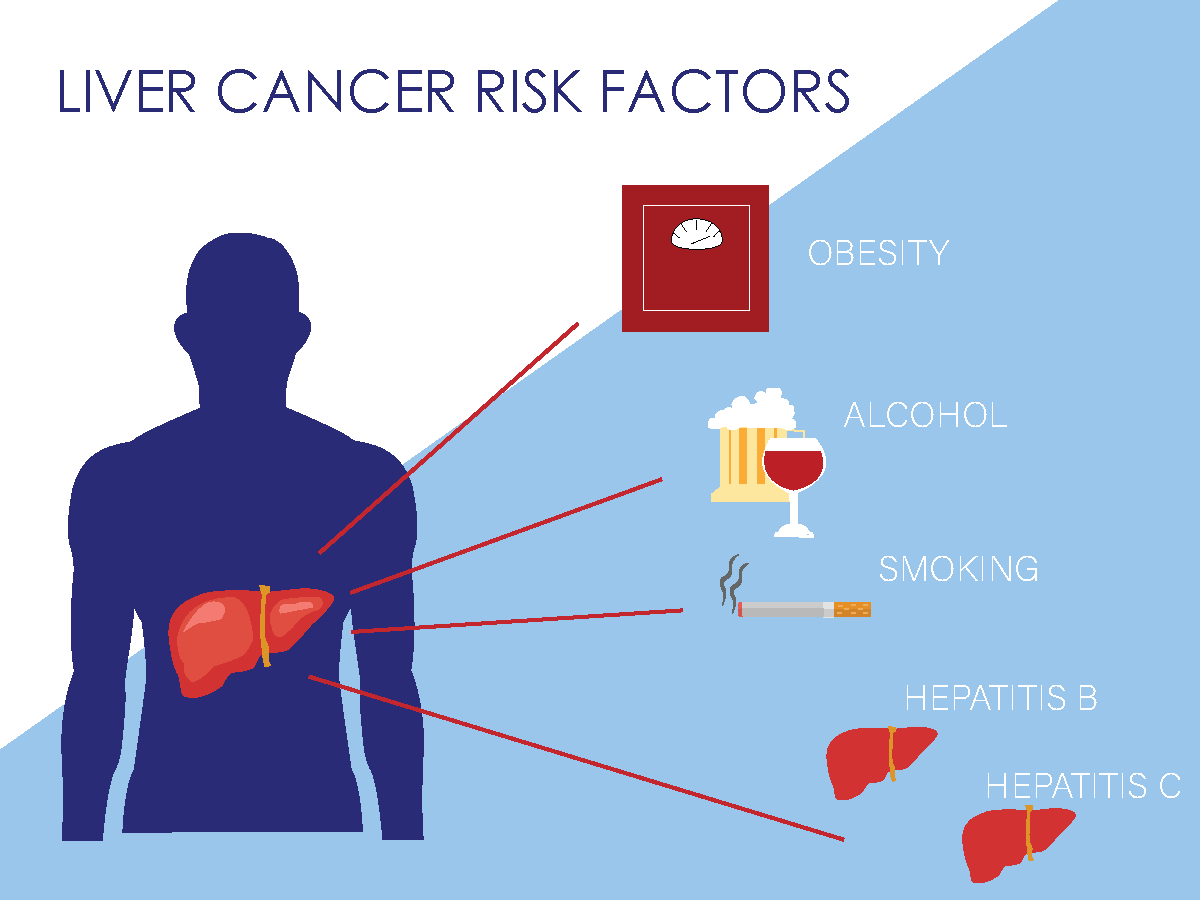
Liver cancer can be prevented by reducing exposure to the known risk factors. Here are some ways to prevent liver cancer recommended by the American Cancer Society.

Avoid and Treat Hepatitis B and C Infections

Worldwide, the most significant risk factor for liver cancer is chronic infection with hepatitis B virus (HBV) and hepatitis C virus (HCV). These viruses can spread from person to person through sharing contaminated needles (such as in drug use) through unprotected sex, and through childbirth, so some liver cancers may be avoided by not sharing needles and by using safer sex practices (such as always using condoms).

Limit Alcohol and Tobacco Use

Drinking alcohol can lead to cirrhosis, which in turn, can lead to liver cancer. Not drinking alcohol or drinking in moderation could help prevent liver cancer.

Since smoking also increases the risk of liver cancer, not smoking will also prevent some of these cancers. If you smoke, quitting will help lower your risk of this cancer, as well as many other cancers and life-threatening diseases.

Maintain a Healthy Weight

Avoiding obesity might be another way to help protect against liver cancer. People who are obese are more likely to have fatty liver disease and diabetes, both of which have been linked to liver cancer.

See How We Specialize Cancer Care

No two situations are the same. That’s why our caring team of experts are here to provide you with a custom-tailored treatment plan that is unique to your diagnosis, tumor size, location and involvement. Click on the button below to learn more.

Liver Cancer Awareness Month: What Are the Risk Factors?

October is Liver Cancer Awareness Month. Understanding the function of your liver and how to keep it healthy can help prevent cancer.

The liver has many important functions. It breaks down, stores, and helps transfer nutrients your body needs. The liver also breaks down alcohol, drugs, and toxic wastes in the blood, which then pass from the body through urine and stool.

Taking care of your liver is important to avoid harmful diseases, like cancer, that can form in the liver’s cells. The liver is mainly composed of cells called hepatocytes. There are other cells that line blood vessels and the small tubes in the liver called bile ducts. In these cells is where cancerous tumors form.

Liver cancer can be prevented by reducing exposure to the known risk factors. Here are some ways to prevent liver cancer recommended by the American Cancer Society.

Avoid and Treat Hepatitis B and C Infections

Worldwide, the most significant risk factor for liver cancer is chronic infection with hepatitis B virus (HBV) and hepatitis C virus (HCV). These viruses can spread from person to person through sharing contaminated needles (such as in drug use) through unprotected sex, and through childbirth, so some liver cancers may be avoided by not sharing needles and by using safer sex practices (such as always using condoms).

Limit Alcohol and Tobacco Use

Drinking alcohol can lead to cirrhosis, which in turn, can lead to liver cancer. Not drinking alcohol or drinking in moderation could help prevent liver cancer.

Since smoking also increases the risk of liver cancer, not smoking will also prevent some of these cancers. If you smoke, quitting will help lower your risk of this cancer, as well as many other cancers and life-threatening diseases.

Maintain a Healthy Weight

Avoiding obesity might be another way to help protect against liver cancer. People who are obese are more likely to have fatty liver disease and diabetes, both of which have been linked to liver cancer.

EXPERT CARE

Our caring team of experts are here to provide you with a custom-tailored treatment plan that is unique to your diagnosis, tumor size, location and involvement. Click on the button below to learn more.

October is Breast Cancer Awareness Month: Do You Have A Screening Routine?

October is Breast Cancer Awareness month. One in 8 women will be diagnosed with breast cancer in her lifetime according to the National Breast Cancer Foundation. This month is a good time to encourage routine care and testing to detect early breast cancer.

Breast cancer forms in the cells of the breast. Although mostly found among women, there are some cases where it appears in men.

Symptoms of breast cancer include:

  • A lump in the breast
  • Change in size, shape and appearance of the breast
  • Dimpling or changes to the skin over the breast
  • Peeling or flaking of the skin surrounding the nipple (the areola)
  • Redness or pitting of the skin over the breast

If you find a lump or other change in your breast — even if a recent mammogram was normal — don’t wait, make an appointment with your doctor.

The American Cancer Society recommends these tips about breast cancer screenings.

How often should I get a mammogram?

Women between the ages 50-74 years old are at average risk for breast cancer and can get a mammogram every two years.

It’s recommended women who are 40-49 years old should talk with their healthcare provider to discuss when they should start routine screenings and how often.

What are the different types of breast cancer screenings?

Mammogram

A mammogram is an X-ray of the breast. For many women, mammograms are the best way to find breast cancer early, when it is easier to treat and before it is big enough to feel or cause symptoms. Having regular mammograms can lower the risk of dying from breast cancer. At this time, a mammogram is the best way to find breast cancer for most women of screening age.

Breast Magnetic Resonance Imaging (MRI)

A breast MRI uses magnets and radio waves to take pictures of the breast. Breast MRI is used along with mammograms to screen women who are at high risk for getting breast cancer. Because breast MRIs may appear abnormal even when there is no cancer, they are not used for women at average risk.

Other Exams

A clinical breast exam is an examination by a doctor or nurse, who uses his or her hands to feel for lumps or other changes.

Breast Self-Awareness

Being familiar with how your breasts look and feel can help you notice symptoms such as lumps, pain, or changes in size that may be of concern. These could include changes found during a breast self-exam. You should report any changes that you notice to your doctor or health care provider.

Having a clinical breast exam or doing a breast self-exam has not been found to lower the risk of dying from breast cancer.

Breast Cancer Care

At Cancer Care of North Florida, once cancer has been diagnosed, our specialists may order diagnostic testing and imaging to help determine the stage and extent of the disease. We use the most advanced therapies available to treat breast cancer. Click on the button below to learn more.