Category

Cancer Awareness

What You Need to Know About Skin Cancer

May is Skin Cancer Awareness Month, an annual campaign dedicated to educating the public about the most common form of cancer in the United States. Skin cancer affects millions each year, yet with proper awareness and precautions, it is also one of the most preventable. Learn more about skin cancer, its types, risk factors, and crucial preventive measures.

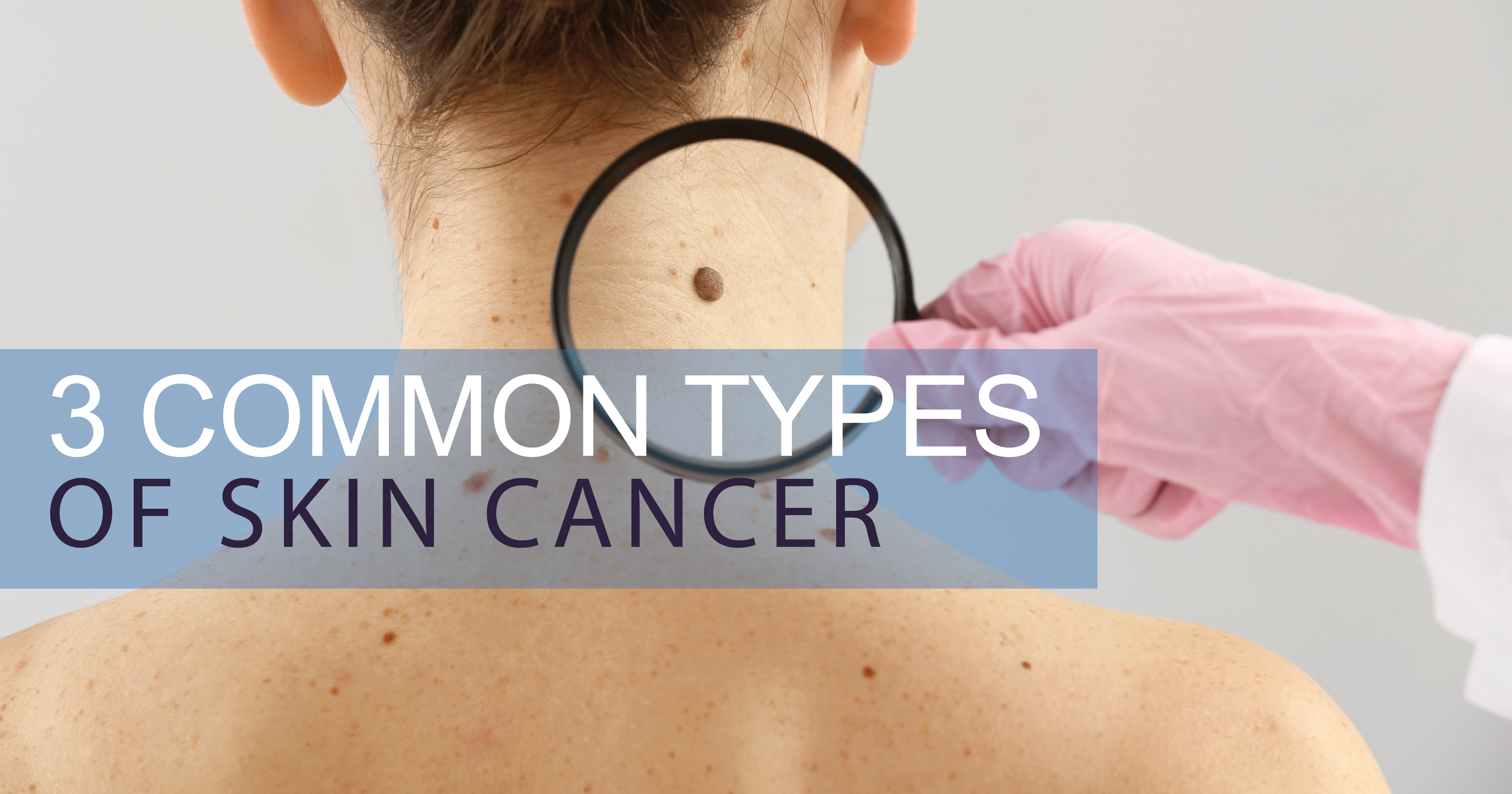
Types of Skin Cancer Skin cancer comes primarily in three forms:
• Basal cell carcinoma (BCC): The most common and least dangerous type of skin cancer, BCC grows slowly, usually on areas frequently exposed to the sun.
• Squamous cell carcinoma (SCC): More aggressive than BCC, SCC can grow deeper into the skin and spread to other parts of the body if not treated early.
• Melanoma: The most lethal form due to its ability to spread rapidly throughout the body. Early detection is key to effective treatment.

Risk Factors The primary risk factor for skin cancer is ultraviolet (UV) radiation from the sun or from artificial sources like tanning beds. However, risk also increases with:
• Fair skin, light hair, and light-colored eyes
• Personal or family history of skin cancer
• Excessive sun exposure or history of sunburns
• Presence of many moles or unusual moles

Prevention Tips Prevention is your most powerful tool against skin cancer:
• Use Sunscreen: Apply broad-spectrum sunscreen with at least SPF 30. Reapply every two hours or immediately after swimming or sweating.
• Seek Shade: Avoid the sun between 10 AM and 4 PM when it’s strongest.
• Wear Protective Clothing: Long-sleeved shirts, pants, and wide-brimmed hats offer additional protection.
• Avoid Tanning Beds: These are harmful sources of UV rays.

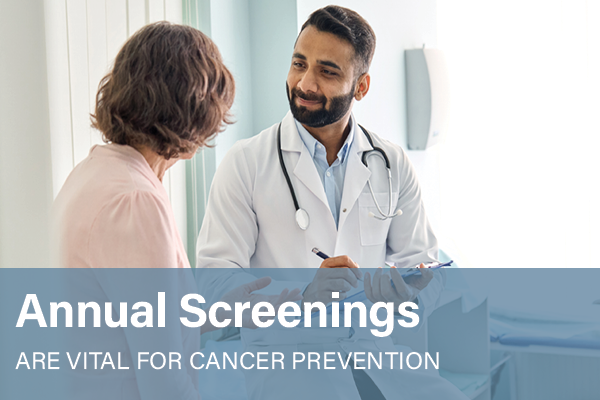
Knowledge is your first line of defense. We encourage everyone to conduct regular skin checks and consult a dermatologist for annual screenings. Stay vigilant about your skin health, and remember, early detection can save lives.
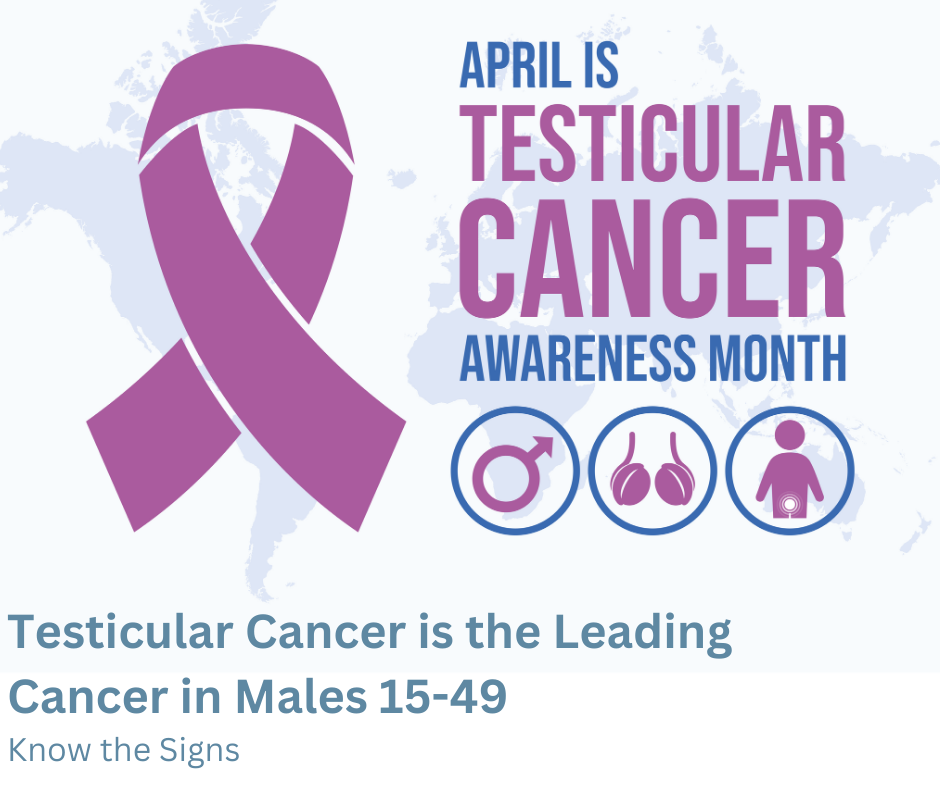

Understanding Testicular Cancer

Testicular cancer originates in the testicles, vital organs responsible for sperm and hormone production in men. While comparatively rare, it predominantly affects younger men, with the highest incidence occurring between ages 15 and 35. However, vigilance is essential.

Symptoms: A primary indicator of testicular cancer is the presence of a lump or swelling in one testicle. Additional symptoms may include discomfort or pain in the testicle or scrotum, changes in size or shape, a sensation of heaviness, fluid accumulation, back pain, or breast enlargement. Notably, some cases may manifest without noticeable symptoms, underscoring the importance of regular self-examination.

Risk Factors: Several factors heighten the risk of developing testicular cancer:

  1. Age: Younger men, particularly those aged 15 to 35, face a higher risk.
  2. Family or personal history: Individuals with a family history or a personal history of testicular cancer are at elevated risk.
  3. Cryptorchidism: Undescended testicles increase susceptibility to testicular cancer.
  4. HIV infection: Some studies suggest a correlation between HIV infection and testicular cancer risk.
  5. Ethnicity: Testicular cancer is more prevalent among white men compared to other racial or ethnic groups.

Prevention Strategies: While complete prevention may not be feasible, proactive measures can mitigate risk:

  1. Regular self-exams: Familiarize yourself with the normal appearance and feel of your testicles, and promptly report any changes to your healthcare provider.
  2. Routine check-ups: Regular physical examinations enable early detection of abnormalities.
  3. Awareness of family history: Understand your familial risk and discuss it with your healthcare provider for appropriate screening recommendations.
  4. Lifestyle modifications: Avoiding tobacco and adopting a healthy lifestyle can contribute to overall well-being and potentially reduce the risk of testicular cancer.

By raising awareness about testicular cancer—its symptoms, risk factors, and prevention strategies—we empower individuals to take charge of their health journey. Vigilance, early detection, and informed decision-making are crucial weapons in the fight against this disease.


Head and Neck Cancer Awareness: Diagnosis and Treatment Options

Diagnosing and treating head and neck cancer requires a multidisciplinary approach involving various healthcare professionals, including oncologists, surgeons, radiologists, and pathologists. In this blog, we’ll explore the process of diagnosing head and neck cancer and the different treatment options available.

Diagnosis: The diagnosis of head and neck cancer typically begins with a thorough medical history and physical examination, including a detailed evaluation of the head and neck region. Additional tests may be ordered to confirm the diagnosis and determine the extent of the disease, including imaging studies (such as CT scans, MRI, or PET scans), endoscopy, and biopsy.

Treatment: Treatment for head and neck cancer depends on several factors, including the type and stage of the disease, as well as the patient’s overall health and treatment preferences.

Treatment options may include:

  1. Surgery: Surgical removal of the cancerous tumor may be recommended for early-stage head and neck cancers.
  2. Radiation therapy: High-energy radiation beams are used to kill cancer cells and shrink tumors.
  3. Chemotherapy: Anti-cancer drugs are used to kill cancer cells or stop them from growing and dividing.
  4. Targeted therapy: Drugs that target specific molecular pathways involved in cancer growth and progression may be used in certain cases.
  5. Immunotherapy: Drugs that help the immune system recognize and attack cancer cells may be used to treat certain types of head and neck cancer.

Diagnosing and treating head and neck cancer requires a coordinated effort among healthcare providers and a personalized approach tailored to each patient’s unique needs. By raising awareness of the importance of early detection and treatment, we can improve outcomes and support individuals affected by head and neck cancer.

Head and Neck Cancer: Symptoms and Screening

Early detection is crucial for successful treatment and improved outcomes in head and neck cancer. In this blog, we’ll delve into the symptoms of head and neck cancer and the importance of screening for early detection.

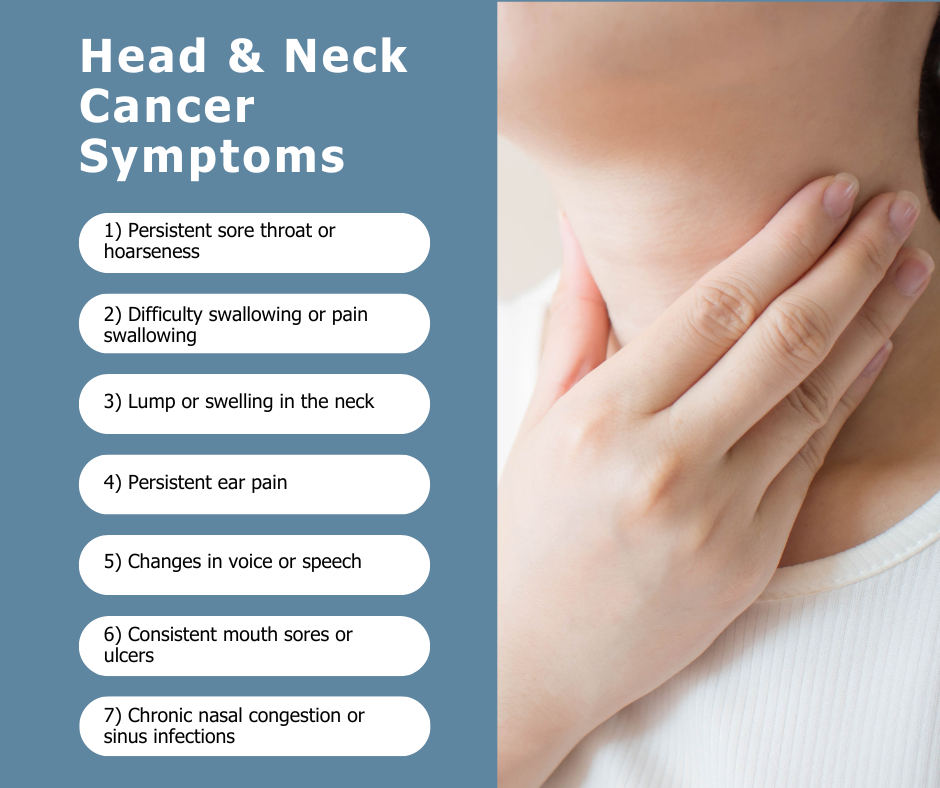
The symptoms of head and neck cancer can vary depending on the location and stage of the disease. Common symptoms may include:

  1. Persistent sore throat or hoarseness
  2. Difficulty swallowing or persistent pain while swallowing
  3. Lump or swelling in the neck
  4. Persistent ear pain
  5. Changes in voice or speech
  6. Chronic nasal congestion or sinus infections
  7. Unexplained weight loss
  8. Persistent mouth sores or ulcers

Screening: While some head and neck cancers, such as oral cavity cancers, can be detected during routine dental exams, others may require specialized screening tests. Screening methods may include physical examination, imaging tests (such as CT scans or MRI), endoscopy, and biopsy. Regular screenings are particularly important for individuals at higher risk due to tobacco and alcohol use, HPV infection, or a history of head and neck cancer.

Conclusion: Recognizing the symptoms of head and neck cancer and undergoing regular screenings are essential steps in early detection and treatment. In the next blog, we’ll discuss the process of diagnosis and the various treatment options available for head and neck cancer.

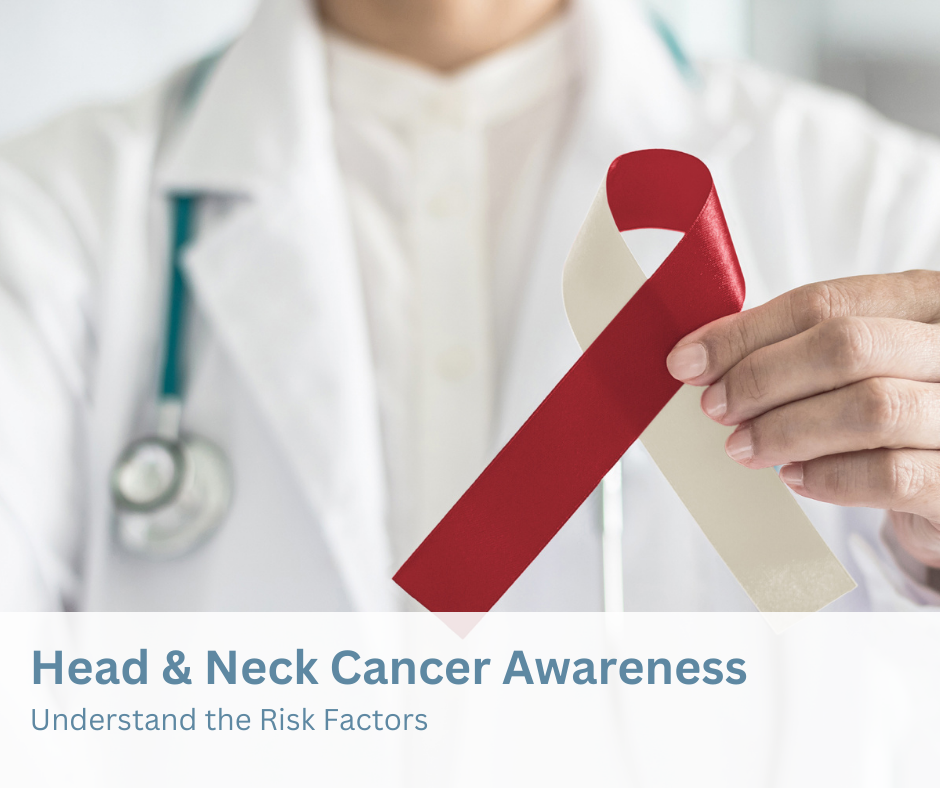
Head and Neck Cancer Awareness

Head and neck cancers are a group of malignancies that affect various structures in the head and neck region, including the mouth, throat, larynx, and sinuses. Head and neck cancers account for about 4 percent of cancer cases in the United States. It is estimated that nearly 67,000 people in the United States will be diagnosed with head and neck cancers in 2023. Men are twice as likely to be diagnosed with head and neck cancer compared to women.

Head and neck cancers encompass a diverse range of malignancies, each with its own unique characteristics and challenges. These cancers can arise from the mucosal surfaces lining the oral cavity, pharynx, and larynx, as well as from the salivary glands, sinuses, and nasal cavity. While some head and neck cancers are relatively rare, others, such as squamous cell carcinoma, are more common.

Risk Factors: Several factors increase the risk of developing head and neck cancer, including:

  1. Tobacco use: Smoking cigarettes, cigars, or pipes, as well as using smokeless tobacco products, significantly increases the risk of head and neck cancer.
  2. Alcohol consumption: Heavy and prolonged alcohol consumption is another major risk factor for head and neck cancer, particularly when combined with tobacco use.
  3. Human papillomavirus (HPV) infection: Certain strains of HPV, particularly HPV-16, have been linked to an increased risk of oropharyngeal cancers.
  4. Sun exposure: Prolonged exposure to ultraviolet (UV) radiation from the sun or other sources increases the risk of lip cancer.
  5. Poor oral hygiene: Neglecting oral hygiene practices can contribute to the development of oral cavity cancers.

By understanding the basics of head and neck cancer and the risk factors associated with it, individuals can take proactive steps to reduce their risk and prioritize their health.


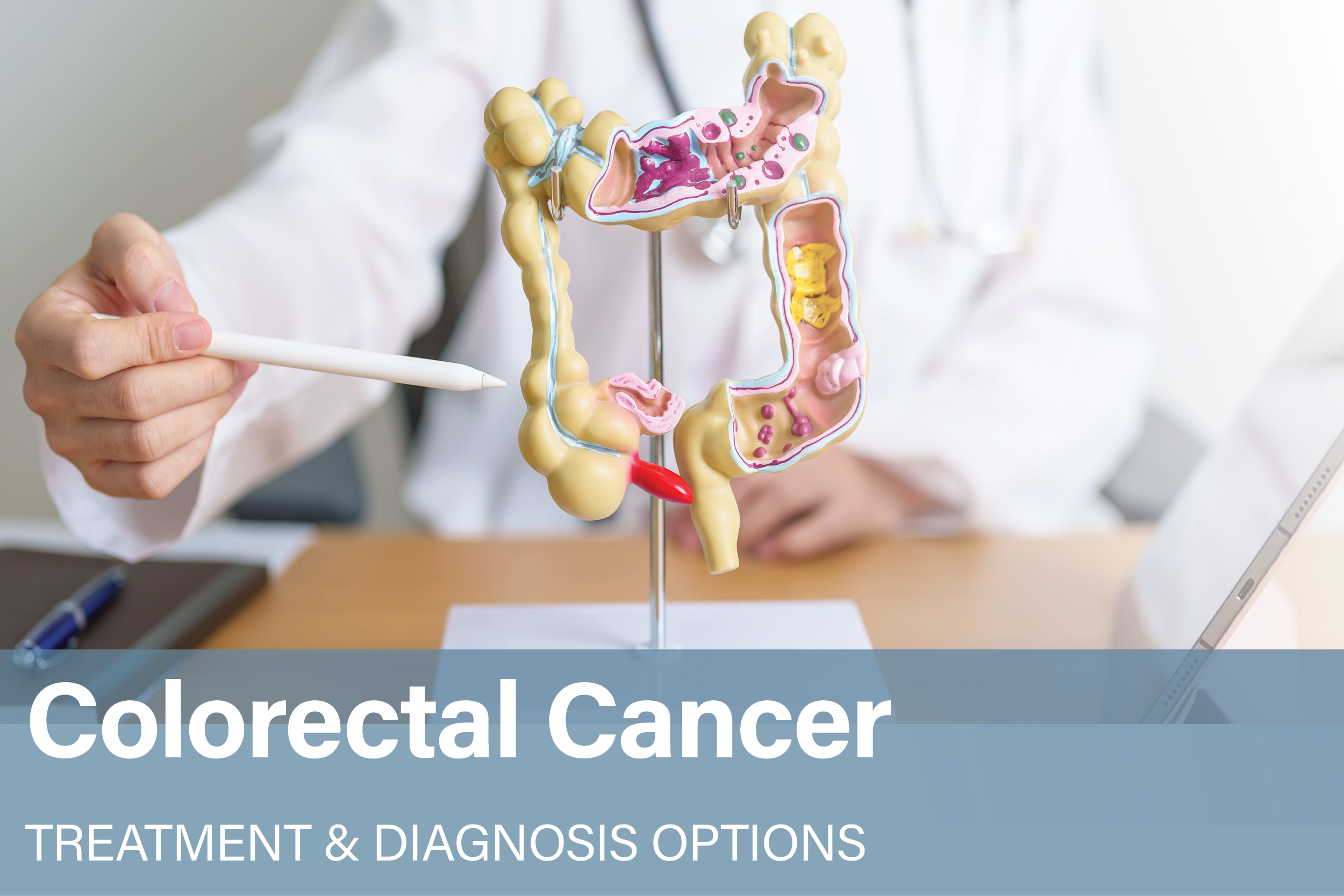
Colorectal Cancer: Treatment & Diagnosis Options

Colorectal cancer remains a global health concern, but progress in early detection and treatment offers hope.  

Diagnosis: 

  • Screening Tests: Key for early detection, including colonoscopies, FOBT, FIT, and stool DNA tests. 
  • Diagnostic Procedures: If abnormalities are detected, further tests like sigmoidoscopies, CT scans, MRI scans, or biopsies may be necessary. 

Treatment Options:  

Surgery: Surgery is often the primary treatment for colorectal cancer. The goal of surgery is to remove the cancerous tumor and any surrounding affected tissue. Depending on the stage and location of the cancer, surgical options may include polypectomy, local excision, colectomy, or ostomy procedures.  

Chemotherapy: Chemotherapy may be used before or after surgery to shrink tumors, kill cancer cells, or prevent the spread of cancer to other parts of the body. Chemotherapy drugs may be administered orally, intravenously, or directly into the abdominal cavity, depending on the specific treatment plan.  

Radiation Therapy: Radiation therapy uses high-energy beams to target and destroy cancer cells. It may be used alone or in combination with surgery and chemotherapy to treat colorectal cancer, particularly in cases where the cancer has spread to nearby tissues or lymph nodes.  

Targeted Therapy: Targeted therapy drugs are designed to specifically target cancer cells while minimizing damage to healthy cells. These drugs may be used in combination with chemotherapy or as standalone treatments for advanced colorectal cancer that has not responded to other therapies.  

Immunotherapy: Immunotherapy works by stimulating the body’s immune system to recognize and attack cancer cells. While not yet a standard treatment for colorectal cancer, ongoing research is exploring the potential of immunotherapy drugs in treating advanced or recurrent colorectal cancer.   

By understanding the diagnostic procedures and treatment options available, patients and their caregivers can make informed decisions about their care and work towards the best possible outcomes. Regular screening, early detection, and timely intervention remain the cornerstones of successful colorectal cancer management. 

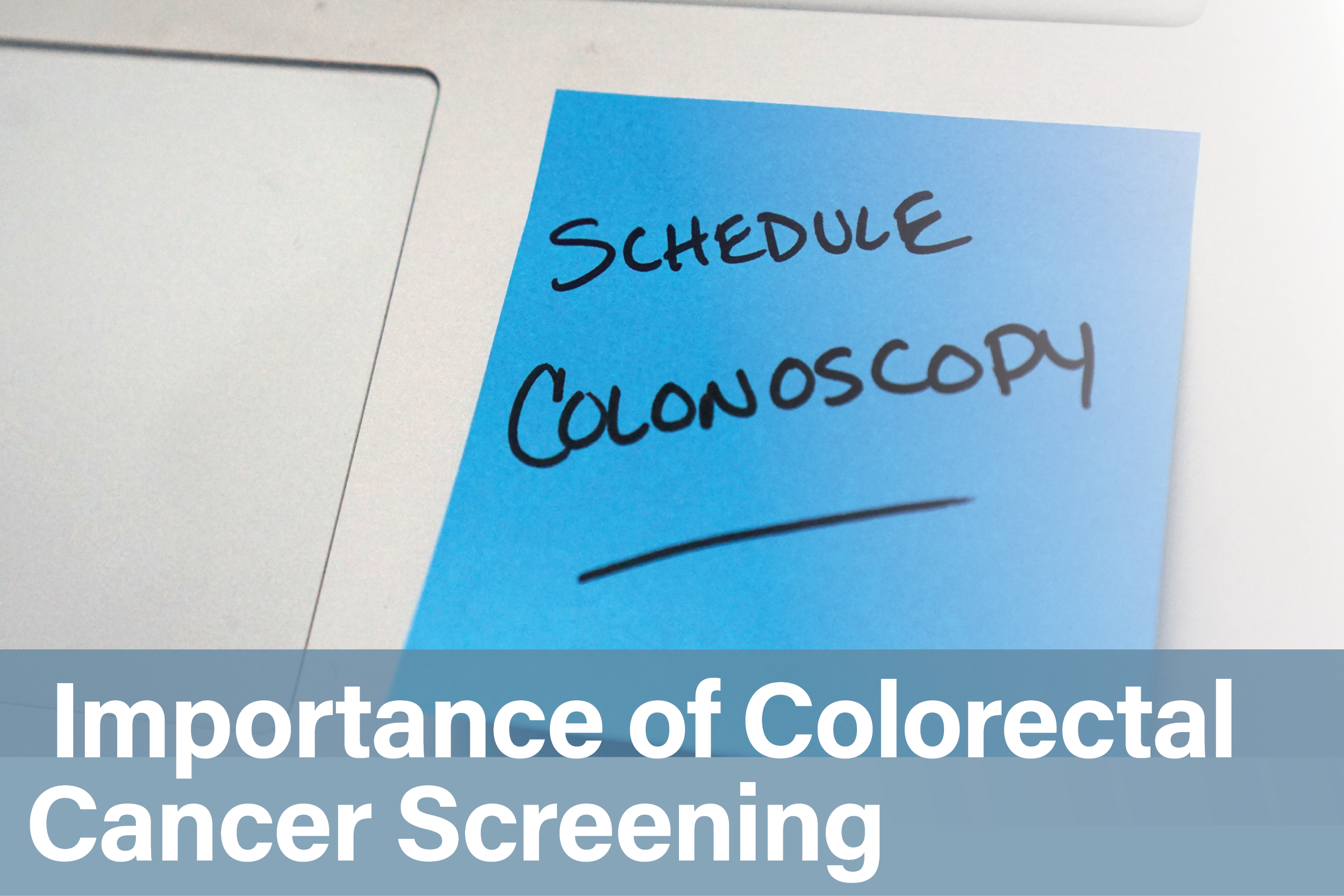
Screening for Colorectal Cancer

Colorectal cancer screening is crucial for early detection and improved outcomes. Here’s why it matters and the screening options available: 

Why Screening Matters: 

  1. Early Detection: Detecting colorectal cancer early increases treatment success and survival rates. 
  1. Prevention: Screening can identify precancerous polyps, allowing for their removal before they become cancerous.   

Screening Options: 

Several screening tests are available for colorectal cancer and are recommend if you are 45 and average risk. If you are high risk, or have family history, your doctor might recommend earlier screening. Please be sure to discuss screening recommendations with your physician.  

  1. Colonoscopy: A colonoscopy is considered the gold standard for colorectal cancer screening. During this procedure, a flexible tube with a camera is inserted into the colon to examine the lining for abnormalities or polyps. If polyps are found, they can be removed during the procedure. 
  1. Fecal Occult Blood Test (FOBT) and Fecal Immunochemical Test (FIT): These tests detect blood in the stool, which can be a sign of colorectal cancer or precancerous polyps. They are non-invasive and can be done at home by collecting stool samples and sending them to a lab for analysis. 
  1. Stool DNA Test (FIT-DNA): This test combines the detection of blood in the stool with the analysis of DNA markers associated with colorectal cancer. It can also be done at home by collecting stool samples and sending them to a lab for analysis. 
  1. Flexible Sigmoidoscopy: Similar to a colonoscopy, a sigmoidoscopy examines the lower part of the colon for polyps or abnormalities. However, it does not examine the entire colon. 
  1. CT Colonography (Virtual Colonoscopy): This imaging test uses a CT scanner to create detailed images of the colon. While less invasive than a traditional colonoscopy, it still requires bowel preparation and may miss small polyps. 

Regular screening for colorectal cancer is essential for early detection, improved outcomes, and prevention. Talk to your healthcare provider about which screening test is right for you based on your age, risk factors, and medical history. Remember, early detection saves lives.

What is Colorectal Cancer?

Colorectal cancer, often referred to as bowel cancer, colon cancer, or rectal cancer, is a type of cancer that affects the colon or rectum. It’s one of the most common forms of cancer worldwide, but with early detection and appropriate treatment, it is highly treatable.

This type of cancer typically develops from polyps, abnormal growths in the lining of the colon or rectum. While not all polyps become cancerous, some have the potential to transform into cancer over time. The causes of colorectal cancer are multifactorial and may involve a combination of genetic, environmental, and lifestyle factors.

Risk factors for colorectal cancer include age, family history of colorectal cancer or polyps, personal history of inflammatory bowel disease, certain genetic syndromes, diets high in red and processed meats, sedentary lifestyles, obesity, smoking, and heavy alcohol use. Recognizing these risk factors is crucial for understanding one’s susceptibility to the disease.

Common symptoms of colorectal cancer may include a change in bowel habits, rectal bleeding or blood in the stool, persistent abdominal discomfort, weakness or fatigue, and unexplained weight loss. However, it’s important to note that early-stage colorectal cancer often shows no symptoms, underscoring the importance of regular screening for early detection.

By increasing awareness and understanding of this disease, individuals can take proactive steps to limit their risk and seek timely medical attention.

The Power of Healthy Lifestyle Practices for Cancer Prevention


Healthy lifestyle practices can have a significant impact in reducing the risk of cancer. Incorporating healthy habits like focused nutrition, physical activity, staying away from tobacco, and sun safety, you can prevent various types of cancer.

Nourishing the Body for Wellness

Nutrition plays a fundamental role in cancer prevention. By incorporating balanced and nutritious diet rich in fruits, vegetables, whole grains, and lean proteins, individuals can fortify their bodies with essential nutrients and antioxidants that support overall health and reduce the risk of certain cancers.

The Power of Physical Activity

Regular physical activity contributes to overall fitness and cancer prevention. Engaging in moderate to vigorous physical activities can help individuals maintain a healthy weight, reduce the risk of certain cancers, and promote overall well-being.

Breaking Free from Tobacco

Staying away from tobacco is critical in cancer prevention. By quitting smoking and avoiding exposure to secondhand smoke, individuals can significantly lower their risk of developing lung cancer and other tobacco-related cancers.

Embracing Sun Safety Practices

Practicing sun safety, such as using sunscreen, wearing protective clothing, and seeking shade, can help reduce the risk of skin cancer caused by harmful ultraviolet (UV) radiation.

Taking Charge of Our Health

Together, let’s prioritize our health and well-being. Our providers are here to help! Contact us today to learn more about our services.

Early Detection and Screening for Cancer

As we commemorate National Cancer Prevention Month, it is crucial to recognize the importance of early detection and screening in the ongoing battle against cancer. Regular screenings for different cancer types can greatly impact timely intervention and treatment outcomes.

Importance of Regular Screenings

Regular screenings for various types of cancer, such as breast, cervical, colorectal, prostate, and lung cancer, play a fundamental role in detecting cancer at its earliest stages. These screenings allow healthcare professionals to identify abnormalities or cancerous growths before symptoms begin, increasing the chances of successful treatment and improved prognosis.

Available Screening Methods

From mammograms and Pap tests to colonoscopies and PSA tests, there are diverse screening methods tailored to detect different types of cancer. Understanding these screening options and their recommended frequencies allows patients to be involved with their preventive healthcare and advocate for their well-being.

Timely Intervention

Timely detection through screenings can significantly impact treatment outcomes, potentially leading to less aggressive interventions and higher survival rates. Early-stage cancer diagnosis often offers a wider array of treatment options, making proactive screening a vital component of comprehensive cancer prevention strategies.

Empowering Individuals

By emphasizing the critical role of early detection and screening, we aim to empower individuals with the knowledge and resources to minimize their cancer risk. Through awareness, education, and access to screening programs, we can collectively work towards reducing the burden of cancer.

Stand United for Cancer Prevention

By advocating for regular screenings, staying informed about available screening methods, and encouraging proactive healthcare practices, we can minimize the impact of cancer on individuals and communities.

Let’s continue to raise awareness, prioritize early detection, and practice proactive health initiatives. Together, we can make a difference in the fight against cancer.