
All Posts By

[email protected]

What to Know About PSA Levels and Why You Should Care

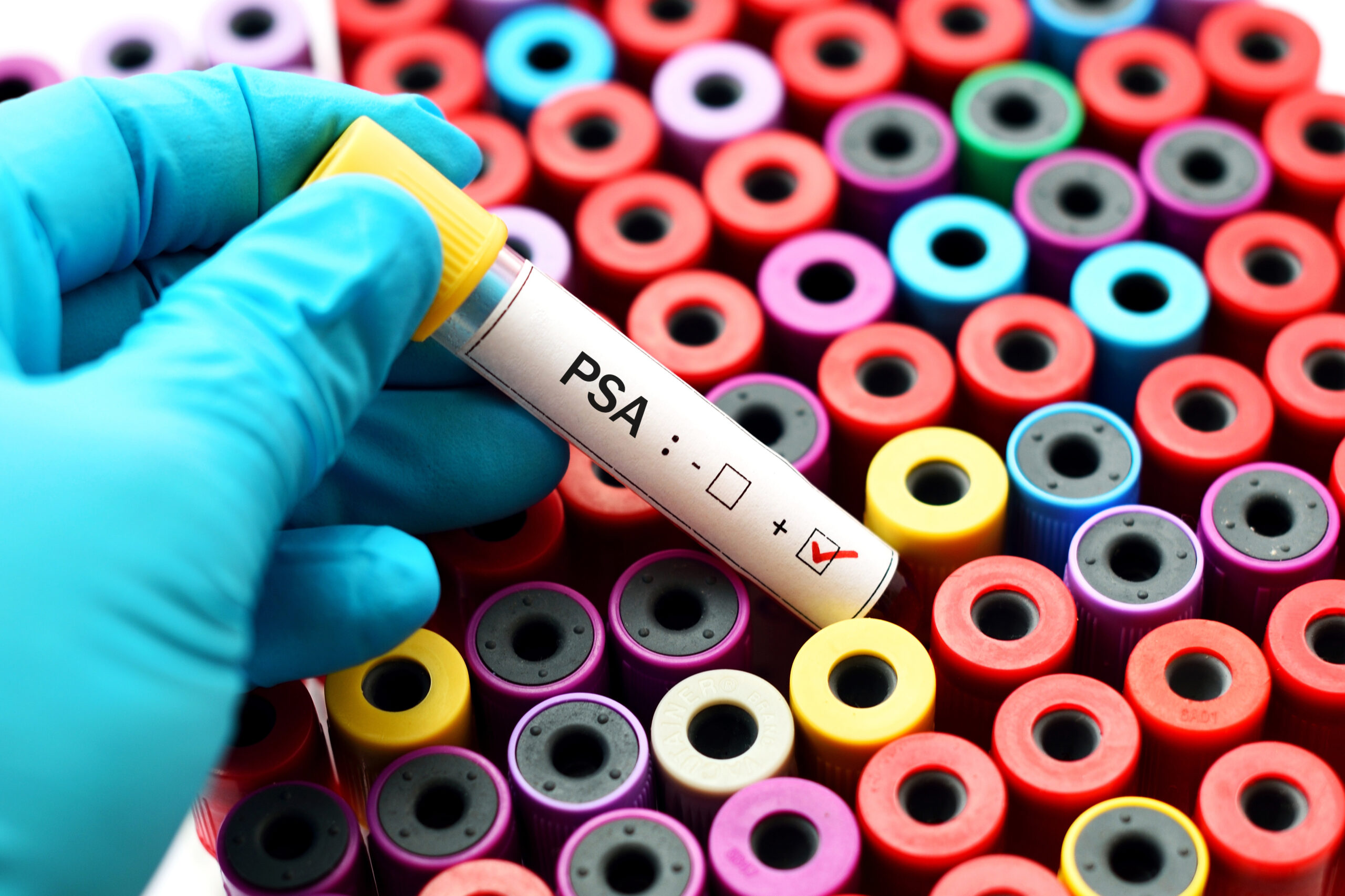
Thinking about scheduling your prostate cancer screening? One way to test for prostate cancer is a prostate-specific antigen level test, also called a PSA blood test.

Here’s common questions surrounding PSA levels and our answers.

Q:

What is an elevated PSA level, and what does it indicate?

A:

An elevated PSA level refers to an increase in the amount of PSA protein present in a man’s blood. PSA is a protein produced by the prostate gland, and its primary function is to liquefy semen.

Q:

What are the potential causes of elevated PSA levels?

A:

Elevated PSA levels can be caused by several factors, including:

1. Benign Prostate Hyperplasia (BPH): BPH is a non-cancerous enlargement of the prostate gland, which can elevate PSA levels due to increased overall prostate tissue.

2. Prostatitis: Prostatitis is inflammation of the prostate gland, leading to a temporary rise in PSA levels. It is not necessarily indicative of prostate cancer.

3. Prostate Cancer: Elevated PSA levels can sometimes be an early sign of prostate cancer. However, a high PSA level does not confirm cancer, as other non-cancerous conditions can also elevate PSA.

4. Urinary Tract Infection (UTI): Infections in the urinary tract or prostate can cause temporary elevations in PSA levels.

5. Prostate Procedures: Certain medical procedures, such as a prostate biopsy or surgery, can cause temporary increases in PSA levels.

Q:

What is the significance of an elevated PSA level regarding prostate cancer?

A:

While an elevated PSA level can be an indicator of prostate cancer, it is not a definitive diagnosis. Many men with elevated PSA levels do not have prostate cancer, and some men with prostate cancer may have normal PSA levels. Therefore, an elevated PSA level requires further investigation to determine the cause. Additional tests, such as a digital rectal exam (DRE) and imaging studies, may be conducted to assess the prostate’s condition and detect any abnormalities.

Q:

At what age should men consider getting their PSA levels checked?

A:

The age at which men should consider getting their PSA levels checked varies based on individual risk factors and guidelines from healthcare organizations. Generally, discussions about prostate cancer screening, including PSA testing, should begin at:

Age 50: For men at average risk of prostate cancer.

Age 45: For men at higher risk, such as African Americans or those with a family history of prostate cancer.

Age 40: For men with a strong family history of prostate cancer (multiple family members diagnosed at a young age).

These are the recommended ages and some factors. Ultimately, the decision to get screened should be made after a thorough discussion with a healthcare provider, taking into account an individual’s medical history, family history, and overall health.

Q:

Can lifestyle factors affect PSA levels?

A:

Yes, certain lifestyle factors can influence PSA levels. Factors such as vigorous exercise, ejaculation, and certain medications (e.g., finasteride) may temporarily elevate PSA levels. It is essential to inform the healthcare provider about any recent lifestyle changes or medication use before undergoing a PSA test to ensure accurate interpretation of the results. However, lifestyle factors do not have a significant impact on PSA levels in the context of diagnosing prostate cancer or other prostate-related conditions.

See How We Treat Prostate Cancer

No two situations are the same. That’s why our caring team of experts are here to provide you with a custom-tailored treatment plan that is unique to your diagnosis, tumor size, location and involvement. Click on the button below to learn more.
Questions About Skin Cancer? We Have the Answers

Q:

What is skin cancer?

A:

Skin cancer is a condition characterized by the abnormal growth of skin cells, often caused by excessive exposure to ultraviolet (UV) radiation from the sun or artificial sources like tanning beds. There are different types of skin cancer, including melanoma, basal cell carcinoma, and squamous cell carcinoma.

Q:

How can I protect myself from skin cancer?

A:

Protecting yourself from skin cancer involves adopting various preventive measures, including:

Limit Sun Exposure: Avoid spending extended periods in direct sunlight, especially during peak UV hours (10 am to 4 pm).
Wear Protective Clothing: Use wide-brimmed hats, long-sleeved shirts, and long pants to cover exposed skin.
Apply Sunscreen: Use broad-spectrum sunscreen with an SPF of at least 30 on all exposed skin, and reapply every two hours or after swimming or sweating.
Seek Shade: Stay in the shade whenever possible, especially during peak UV hours.
Avoid Tanning Beds: Artificial sources of UV radiation can also increase the risk of skin cancer.
Protective Eyewear: Wear sunglasses that block UVA and UVB rays to protect your eyes and the skin around them.
Examine Your Skin: Regularly check your skin for any unusual moles or changes and report them to a healthcare professional.

Q:

Who is at risk of developing skin cancer?

A:

While anyone can develop skin cancer, certain factors increase the risk, such as:

UV Exposure: Excessive exposure to UV radiation from the sun or artificial sources.
Fair Skin: People with fair skin, light hair, and light eyes are at higher risk due to less melanin, which provides natural protection from UV radiation.
Family History: A family history of skin cancer can increase the likelihood of developing it.
Moles: Having numerous or atypical moles can increase the risk.
Weakened Immune System: Individuals with weakened immune systems are more susceptible to skin cancer.
Previous Skin Cancer: A history of skin cancer increases the risk of developing new skin cancers.

Q:

Is it important to wear sunscreen on cloudy days?

A:

Yes, it is essential to wear sunscreen on cloudy days as well. Clouds do not block UV rays entirely, and UV radiation can penetrate through cloud cover, leading to skin damage and an increased risk of skin cancer. Always apply sunscreen regardless of the weather conditions.

Q:

Can I still get enough vitamin D while protecting myself from the sun?

A:

Yes, it is possible to get enough vitamin D without risking excessive sun exposure. While sunlight is a natural source of vitamin D, you can obtain it through other means like vitamin D-rich foods, supplements, or fortified products. Consult with your healthcare provider to determine the right approach for meeting your vitamin D needs safely.

Q:

How often should I perform skin self-examinations?

A:

Regular self-examinations of your skin are crucial for early detection. Aim to conduct a thorough skin check once a month. Pay attention to changes in moles, new growths, or any unusual skin developments. If you notice anything suspicious, promptly schedule an appointment with a dermatologist.

Q:

Are there any specific precautions for children?

A:

Yes, children are more susceptible to sunburn and long-term sun damage. Protect them by using sunscreen with a minimum SPF of 30, dressing them in protective clothing, and encouraging them to seek shade during peak UV hours. Keep babies under six months old out of direct sunlight and dress them in lightweight clothing that covers their arms and legs. Always consult a pediatrician before using sunscreen on infants.

Expert Skin Cancer Care

Our caring team of experts are here to provide you with a custom-tailored treatment plan unique to your diagnosis, tumor size, location and involvement. Click on the button below to explore skin cancer screenings and treatment options available with Cancer Care of North Florida.

May is Skin Cancer Awareness Month: Learn About Melanoma Skin Cancer

Melanoma skin cancer is a type of cancer that affects the melanocytes, the cells that produce pigment in the skin. It is the deadliest form of skin cancer, but it is also one of the most preventable and treatable if detected early.

Causes of Melanoma Skin Cancer

The primary cause of melanoma skin cancer is exposure to ultraviolet (UV) radiation from the sun or tanning beds. People with fair skin, light-colored eyes, and a history of sunburns or excessive sun exposure are at a higher risk of developing melanoma. Other factors that can increase the risk of melanoma include having a family history of the disease, having many moles or atypical moles, and a weakened immune system.

Symptoms of Melanoma Skin Cancer

Melanoma can appear as a new mole or an existing mole that changes in size, shape, or color. It may also have an irregular or asymmetrical shape, ragged edges, and multiple colors or shades. In some cases, it may also bleed or become itchy. Melanoma can occur anywhere on the body, but it is most commonly found on the back, legs, arms, and face.

Prevention of Melanoma Skin Cancer

The best way to prevent melanoma skin cancer is to protect your skin from UV radiation. This can be done by wearing protective clothing, using sunscreen with a high SPF, seeking shade during peak hours of sun exposure, and avoiding tanning beds. It is also important to regularly examine your skin for any new or changing moles and to see a dermatologist if you notice any suspicious changes.

Treatment of Melanoma Skin Cancer

If melanoma is detected early, it can often be treated with surgery to remove the affected area. In more advanced cases, additional treatments such as radiation therapy, chemotherapy, or immunotherapy may be necessary. The prognosis for melanoma depends on the stage and location of the cancer, as well as the overall health of the patient.

Melanoma skin cancer is a serious disease, but it can be prevented and treated if detected early. By protecting your skin from UV radiation and regularly examining your skin for any changes, you can reduce your risk of developing melanoma. If you notice any suspicious moles or changes in your skin, it is important to see a dermatologist or doctor for evaluation and treatment.

Expert Skin Cancer Care

Our caring team of experts are here to provide you with a custom-tailored treatment plan unique to your diagnosis, tumor size, location and involvement. Click on the button below to explore skin cancer screenings and treatment options available with Cancer Care of North Florida.

Your Sleep Patterns Could be Impacting Your Mental Health

Sleep is an essential aspect of our lives that is often overlooked. While we sleep, our body and mind recharge, and we wake up feeling refreshed and ready to tackle the day. However, lack of sleep can have a profound impact on our mental health, affecting our mood, emotions, and cognitive function. We will explore the relationship between sleep and mental health and the impact of sleep deprivation on our mental well-being.

The Importance of Sleep

Sleep is critical for our physical and mental health. While we sleep, our bodies repair and rejuvenate, and our brains consolidate memories and process emotions. Sleep also helps regulate our immune system, hormone levels, and metabolism. Adults should aim for 7-9 hours of sleep each night, although individual needs may vary.

The Relationship Between Sleep and Mental Health

Sleep and mental health are closely intertwined. Good quality sleep is essential for our mental health, while poor sleep can worsen existing mental health conditions. People who experience sleep problems are more likely to develop mental health problems, including anxiety, depression, and bipolar disorder.

Sleep deprivation can affect our mood, making us more irritable, anxious, or depressed. It can also impair our ability to regulate our emotions and make it more difficult to cope with stress. Lack of sleep can also affect our cognitive function, leading to problems with attention, memory, and decision-making.

The Impact of Sleep Deprivation on Mental Health

Chronic sleep deprivation can have a significant impact on our mental health. People who consistently get less than the recommended amount of sleep are more likely to experience mood disorders, such as depression and anxiety. Lack of sleep can also worsen existing mental health conditions, making them more difficult to manage.

Sleep deprivation can also increase the risk of suicidal thoughts and behaviors. People who experience sleep problems are more likely to experience feelings of hopelessness, worthlessness, and despair, all of which can increase the risk of suicide.

In addition to its impact on mental health, sleep deprivation can also affect our physical health. Chronic sleep deprivation can increase the risk of obesity, diabetes, cardiovascular disease, and other health problems.

How to Improve Sleep and Mental Health

Improving sleep quality can have a significant impact on mental health. Some tips for improving sleep quality include:

  • Stick to a regular sleep schedule, even on weekends
  • Create a relaxing sleep environment, such as a cool, dark, and quiet room
  • Avoid caffeine, nicotine, and alcohol, particularly before bedtime
  • Avoid stimulating activities, such as using electronic devices, before bedtime
  • Exercise regularly, but avoid vigorous exercise before bedtime
  • Practice relaxation techniques, such as meditation, yoga, or deep breathing

Sleep is critical for our physical and mental health. Lack of sleep can have a significant impact on our mental health, affecting our mood, emotions, and cognitive function. Chronic sleep deprivation can increase the risk of developing mental health problems, worsen existing conditions, and increase the risk of suicide. Improving sleep quality can have a significant impact on mental health, so it’s essential to prioritize good sleep habits to maintain our mental well-being.

EXPERT CARE

Our caring team of experts are here to provide you with a custom-tailored treatment plan that is unique to your diagnosis, tumor size, location and involvement. Click on the button below to learn more.
May is Women’s Health Month

Cancer is a disease that affects millions of people worldwide, and while there are many factors that contribute to cancer, there are also many preventative measures that women can take to reduce their risk. This Women’s Health Week, we will explore some of the best practices women can follow to lessen their chance of developing cancer.

Maintain a Healthy Diet

One of the best things you can do for your health is to maintain a healthy and balanced diet. Eating a diet rich in fruits, vegetables, and whole grains can help provide the nutrients and antioxidants your body needs to fight cancer. Additionally, reducing your consumption of processed foods, red meat, and sugary drinks can help lower your cancer risk.

Exercise Regularly

Exercise is not only beneficial for maintaining a healthy weight, but it can also help reduce the risk of cancer. Regular exercise has been linked to a lower risk of breast, colon, and endometrial cancers. Aim for at least 150 minutes of moderate-intensity exercise per week, such as brisk walking, cycling, or swimming.

Limit Alcohol Consumption

Excessive alcohol consumption has been linked to an increased risk of several cancers, including breast, liver, and colorectal cancers. It is recommended that women limit their alcohol consumption to one drink per day or less.

Quit Smoking

Smoking is a leading cause of cancer, including lung, throat, and bladder cancers. Quitting smoking is one of the most effective ways to reduce your cancer risk, and there are many resources available to help you quit, such as nicotine replacement therapy and support groups.

Practice Safe Sun Exposure

Excessive sun exposure can increase the risk of skin cancer, including melanoma, which is the deadliest form of skin cancer. To reduce your risk, avoid tanning beds, wear protective clothing, and use a broad-spectrum sunscreen with an SPF of 30 or higher.

Get Regular Screenings

Regular cancer screenings can help detect cancer early when it is most treatable. Talk to your healthcare provider about the recommended cancer screenings for your age and risk factors. Examples of screening tests include mammograms for breast cancer, Pap tests for cervical cancer, and colonoscopies for colon cancer.

Reduce Stress

Chronic stress can weaken the immune system and increase inflammation in the body, both of which can contribute to cancer. Practicing stress-reducing activities such as yoga, meditation, or mindfulness can help reduce stress and promote overall health.

Start now! Make plans to incorporate these practices into your daily life. You can take control of your health and reduce your risk of cancer.

EXPERT CARE

At Cancer Care of North Florida, once cancer has been diagnosed, our specialists may order diagnostic testing and imaging to help determine the stage and extent of the disease. Head and neck cancer treatment depends on the extent of the cancer within your body. Click on the button below to learn more.

Should You Get Screened for Head and Neck Cancer?

Head and neck cancer is a term used to describe a variety of cancers that occur in the head and neck region. This includes the oral cavity, pharynx, larynx, salivary glands, nasal cavity, and sinuses. The most common type of head and neck cancer is squamous cell carcinoma, which accounts for more than 90% of cases. This blog will guide you through the symptoms of head and neck cancer, the diagnostic process and treatment options.

Causes of Head and Neck Cancer:

The exact cause of head and neck cancer is unknown, but there are several risk factors that increase the chances of developing this type of cancer. The most significant risk factors include:

Tobacco and Alcohol Use: Tobacco and alcohol use are the leading causes of head and neck cancer. Smoking and drinking together increase the risk of developing this type of cancer more than either habit alone.
Human Papillomavirus (HPV): HPV is a sexually transmitted virus that can cause certain types of head and neck cancer, including oropharyngeal cancer.
Age: The risk of developing head and neck cancer increases as you get older.
Gender: Men are two to three times more likely to develop head and neck cancer than women.
Poor Nutrition: A diet lacking in fruits and vegetables may increase the risk of head and neck cancer.

Symptoms of Head and Neck Cancer:

The symptoms of head and neck cancer depend on the location of the cancer. Common symptoms include:

  • A lump or sore that does not heal
  • Persistent pain or discomfort in the mouth, throat, or ear
  • Difficulty swallowing or chewing
  • Persistent cough or sore throat
  • Swelling in the neck
  • Ear pain
  • Numbness or weakness in the face

Diagnosis of Head and Neck Cancer:

If you have symptoms of head and neck cancer, your doctor will perform a physical exam and may recommend further tests. These may include:

Biopsy:

A small piece of tissue is removed from the affected area and examined under a microscope to check for cancer cells.

Imaging tests:

These may include X-rays, CT scans, MRI scans, or PET scans, which can help to determine the size and location of the cancer.

Treatment of Head and Neck Cancer:

The treatment of head and neck cancer depends on the location and stage of the cancer. Treatment options may include:

Surgery:

The cancerous tissue is removed surgically, along with any affected lymph nodes or other tissue.

Radiation Therapy:

High-energy radiation is used to kill cancer cells.

Chemotherapy:

Drugs are used to kill cancer cells.

Targeted Therapy:

Drugs are used to target specific cancer cells.

Prevention of Head and Neck Cancer:

The best way to prevent head and neck cancer is to avoid the risk factors associated with this type of cancer. This includes:

  • Quitting smoking and limiting alcohol consumption
  • Eating a healthy diet that includes plenty of fruits and vegetables
  • Protecting yourself from HPV by practicing safe sex and getting vaccinated

In conclusion, head and neck cancer is a serious condition that requires prompt diagnosis and treatment. If you have symptoms of head and neck cancer, it is important to see your doctor right away. By taking steps to reduce your risk of developing this type of cancer, you can help to protect your health and well-being.

EXPERT CARE

At Cancer Care of North Florida, once cancer has been diagnosed, our specialists may order diagnostic testing and imaging to help determine the stage and extent of the disease. Head and neck cancer treatment depends on the extent of the cancer within your body. Click on the button below to learn more.

April is Alcohol Awareness Month

Alcohol consumption is a common practice in many societies and is often considered a social lubricant. However, it is also known to have harmful effects on the body, including an increased risk of developing certain types of cancer. According to the National Cancer Institute, alcohol consumption is a known risk factor for several types of cancer, including liver, breast, colon, rectal, esophageal, and throat cancers.

Liver Cancer:

The liver is responsible for breaking down alcohol, and excessive drinking can lead to cirrhosis, a condition in which the liver tissue is damaged and replaced with scar tissue. This can lead to an increased risk of developing liver cancer. According to the American Cancer Society, alcohol is responsible for about 1 in 3 cases of liver cancer in the United States.

Breast Cancer:

Alcohol consumption can also increase the risk of developing breast cancer. Studies have shown that women who consume more than one alcoholic drink per day have an increased risk of developing breast cancer. This risk increases with the amount of alcohol consumed. The exact mechanism by which alcohol increases the risk of breast cancer is not fully understood, but it is believed to be related to the way that alcohol affects estrogen levels in the body.

Colon and Rectal Cancer:

Alcohol consumption has also been linked to an increased risk of developing colon and rectal cancer. A study conducted by the National Cancer Institute found that people who consume three or more alcoholic drinks per day have a 1.5 times greater risk of developing colon or rectal cancer than those who do not drink alcohol.

Esophageal and Throat Cancer:

Alcohol consumption is also a major risk factor for developing esophageal and throat cancer. The risk increases with the amount of alcohol consumed and the duration of alcohol consumption. The exact mechanism by which alcohol increases the risk of esophageal and throat cancer is not fully understood, but it is believed to be related to the way that alcohol damages the cells in the lining of the esophagus and throat.

Alcohol consumption is a known risk factor for several types of cancer, including liver, breast, colon, rectal, esophageal, and throat cancers. The risk increases with the amount of alcohol consumed and the duration of alcohol consumption. It is important to limit alcohol consumption to reduce the risk of developing cancer and to maintain good health. If you are concerned about your alcohol consumption or your risk of developing cancer, talk to your healthcare provider.

EXPERT CARE

Our caring team of experts are here to provide you with a custom-tailored treatment plan that is unique to your diagnosis, tumor size, location and involvement. Click on the button below to learn more.
The Right Diet Plan Could Prevent Kidney Stones

Kidney stones are hard masses that form from crystals in the urine. Sometimes, they do not have recognizable symptoms, but often, kidney stones can be very painful. Either way, you will want to avoid them, or maybe you’ve had them and you’re in no rush for them to return. There are preventative actions you can take with changes to your diet plan that will help keep kidney stones from building.

Before we begin with diet recommendations, it’s important to note that all kidney stones are not the same. The most common type of kidney stone is a calcium stone, with uric acid stones following close after. Diet and medical treatment are different depending on the stone type.

The National Kidney Foundation gives these diet recommendations dependent on the kidney stone type.

1. Calcium Oxalate Stones: most common stones

Oxalate is naturally found in many foods, including fruits and vegetables, nuts and seeds, grains, legumes, and even chocolate and tea. Some examples of foods that have high levels of oxalate include peanuts, rhubarb, spinach, beets, Swiss chard, chocolate and sweet potatoes. Limiting intake of these foods may be beneficial for people who form calcium oxalate stones which is the leading type of kidney stone.

Eat and drink calcium foods such as milk, yogurt, and some cheese and oxalate-rich foods together during a meal. The oxalate and calcium from the foods are more likely to bind to one another in the stomach and intestines before entering the kidneys. This will make it less likely that kidney stones will form.

Calcium is not the enemy but it tends to get a bad rap! This is most likely due to its name and misunderstanding that calcium is the main cause in calcium-oxalate stones. A diet low in calcium actually increases your chances of developing kidney stones.

Don’t reduce the calcium in your diet. Work to cut back on the sodium in your diet and to pair calcium-rich foods with oxalate-rich foods. The recommended calcium intake to prevent calcium stones is 1000-1200 mg per day (you can eat 3 servings of dairy products with meals to meet the recommendation).

Extra sodium causes you to lose more calcium in your urine. Sodium and calcium share the same transport in the kidney so if you eat high sodium foods it will increase calcium leakage in the urine. Therefore, a high sodium diet can increase your chances for developing another stone. There are many sources of “hidden” sodium such as canned or commercially processed foods as well as restaurant-prepared and fast foods.

You can lower your sodium intake by choosing fresh low sodium foods which can help to lower calcium leakage in the urine and will also help with blood pressure control if you have high blood pressure.

2. Uric acid stones: another common stone

Red meat, organ meats, and shellfish have high amounts of a natural chemical compound known as purines. High purine intake leads to a higher production of uric acid and a larger acid load for the kidneys to excrete. Higher uric acid excretion leads to more acidic urine. The high acid concentration of the urine makes it easier for uric acid stones to form.

To prevent uric acid stones, cut down on high-purine foods such as red meat, organ meats, beer/alcoholic beverages, meat-based gravies, sardines, anchovies and shellfish. Follow a healthy diet plan that has mostly vegetables and fruits, whole grains, and low-fat dairy products. Limit sugar-sweetened foods and drinks, especially those that have high fructose corn syrup. Limit alcohol because it can increase uric acid levels in the blood and avoid short term diets for the same reason. Decreasing animal-based protein and eating more fruits and vegetables will help decrease urine acidity and this may help reduce the chance for uric acid stone formation.

General Diet Recommendations for Kidney Stones:

Drink plenty of fluid: 2-3 quarts/day
This includes any type of fluid such as water, coffee and lemonade which have been shown to have a beneficial effect with the exception of grapefruit juice and soda. This will help produce less concentrated urine and ensure a good urine volume of at least 2.5L/day.

Limit foods with high oxalate content
Spinach, many berries, chocolate, wheat bran, nuts, beets, tea and rhubarb should be eliminated from your diet intake.

Eat enough dietary calcium
Three servings of dairy per day will help lower the risk of calcium stone formation. Eat with meals.

Avoid extra calcium supplements
Calcium supplements should be individualized by your physician and registered kidney dietitian.

Eat a moderate amount of protein
High protein intakes will cause the kidneys to excrete more calcium therefore this may cause more stones to form in the kidney.

Avoid high salt intake
High sodium intake increases calcium in the urine which increases the chances of developing stones. Low salt diet is also important to control blood pressure.

Avoid high doses of vitamin C supplements
It is recommend to take 60mg/day of vitamin C based on the US Dietary Reference Intake Excess. Amounts of 1000mg/day or more may produce more oxalate in the body.

EXPERT CARE

Our caring team of experts are here to provide you with a custom-tailored treatment plan that is unique to your diagnosis, tumor size, location and involvement. Click on the button below to learn more.

March is Colorectal Cancer Awareness Month: Know the Symptoms and Screening Options

Colorectal cancer is a disease of the digestive system found in the colon or rectum. Although it is one of the more common cancer types, colorectal cancer is often preventable with screening and highly treatable when detected early.

According to the Colorectal Cancer Alliance, most cases of colorectal cancer occur in people ages 45 and older, but the disease is increasingly affecting younger people. Each year, about 150,000 Americans are diagnosed with this disease, and more than 50,000 die.

Because colorectal cancer often develops without symptoms, it’s recommended men 45 or older and at average risk get screened regularly.

While anyone can develop colorectal cancer, a list from the CDC gives these conditions as common risk factors:

  • Inflammatory bowel diseases such as Crohn’s disease or ulcerative colitis
  • A personal or family history of colorectal cancer or colorectal polyps
  • A genetic syndrome such as familial adenomatous polyposis (FAP) or hereditary non-polyposis colorectal cancer (Lynch syndrome)
  • Black/African Americans and Ashkenazi Jews are at higher risk

Colorectal cancer often develops without symptoms. When they occur, symptoms may include:

  • Blood in or on stool
  • Persistent unusual bowel movements like constipation or diarrhea
  • Stomach pain, aches, or cramps that don’t go away
  • Losing weight for no reason

Understand the risk of colorectal cancer and the best time to get screened. Talk to one of our experts by clicking Here, or call us at (386) 719-3850.

EXPERT CARE

Our caring team of experts are here to provide you with a custom-tailored treatment plan that is unique to your diagnosis, tumor size, location and involvement. Click on the button below to learn more.