
All Posts By

[email protected]

Radiation Oncology of North Florida Acquires Varian Halcyon for Image-Guided Cancer Treatments

Innovative Technology from Varian Medical Systems Delivers Precise Cancer Treatments

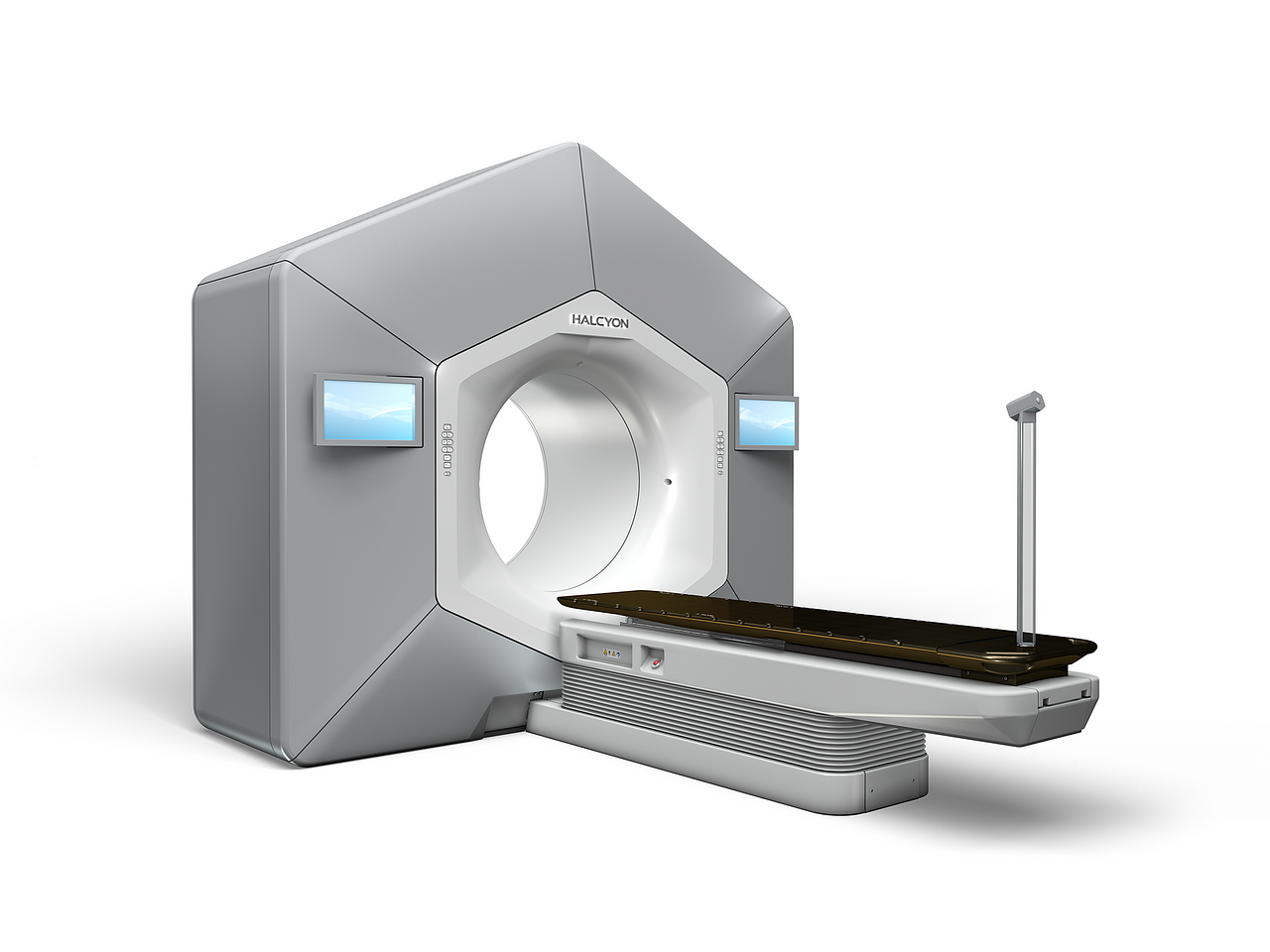
Radiation Oncology of North Florida is pleased to announce the addition of the Halcyon™, an image-guided radiotherapy system. Patients will no longer need to travel outside of the Lake City area for highly-precise and advanced radiation treatment.

The Halcyon Radiation Therapy System allows for accurate high-dose delivery of radiotherapy to tumors with minimal exposure of normal tissue. The Halcyon system treats multiple tumor sites including skin, brain, head and neck, lung, breast, liver, pancreas, gastric, rectum, bladder, and prostate.

Treatment times and overall duration of the treatment plan, are significantly shorter with the Halcyon™. Using image-guided intensity-modulated radiation therapy (IMRT), or volumetric arc therapy (VMAT), it can deliver up to 4-times faster treatment than the standard technology. The system captures either two-dimensional, or cone beam CT images for guidance in less than 15 seconds. Delivering varying intensities of radiation, treatment times last approximately two minutes per session.

Physicians and staff members at Radiation Oncology of North Florida are pleased to bring this new technology to Lake City and the surrounding communities.

“The Halcyon system allows us to deliver fast, high-quality treatments that our patients need with the comfort and convenience that our patients deserve to win the fight against cancer,” said board certified radiation oncologist, Mark E. Thompson, DO.

For increased patient comfort, Halcyon™operates very quietly with a couch that is low to the ground for easy patient access. The spacious, 100 cm wide circular bore that the patient passes into during treatment is larger than those on standard CT machines.

To facilitate a closer connection between patient and therapist during a Halcyon™ treatment, the system incorporates a couch-mounted camera that travels with the patient and a two-way intercom making it easy for the therapist to monitor and converse with the patient receiving treatment.

Radiation Oncology of North Florida (386) 755-0601 is now accepting patients for treatment with the Halcyon™system.

RADIATION ONCOLOGY

Radiation therapy is the use of high-energy x-rays that target specific cancer sites. Our advanced technology allows us to precisely aim the radiation at the tumor while avoiding damage to the normal, healthy cells. Click on the button below to learn more.

January is Cervical Cancer Awareness Month

Cervical cancer begins in the cells lining the cervix, which connects the uterus to the vagina.

There are two types of cervical cancer, squamous cell carcinoma and adenocarcinomas. Squamous cell carcinomas are the most common, with the American Cancer Society reporting 90% of cervical cancer diagnosis. These typically begin in the transformation zone, which is located where the exocervix joins the endocervix.

Types of Cervical Cancer Screenings

There are two tests to detect cervical cancer early. The HPV test and the Pap test. Both tests can be done in a doctor’s office or clinic.

The human papillomavirus (HPV) test looks for the virus that can cause cell changes on the cervix.

The Pap test (or Pap smear) looks for precancers, which are cell changes on the cervix that might become cervical cancer if they are not treated appropriately.

How often should you get screened for cervical cancer?

Its recommended women begin Pap tests at the age of 25. Depending on the results, you may be able to wait three years until your next Pap test. According to the CDC, there are three recommendations for women 30 to 65 years old. Be sure to ask your doctor which testing option is right for you.

An HPV test only. If your result is normal, your doctor may tell you that you can wait five years until your next screening test.

An HPV test along with the Pap test. If both of your results are normal, your doctor may tell you that you can wait five years until your next screening test.

A Pap test only. If your result is normal, your doctor may tell you that you can wait three years until your next Pap test.

Women older than 65 may no longer need to have normal screening test results the age of 65, your doctor may tell you that you don’t need to be screened anymore if you have had normal screening test results for several years and you have not had a cervical precancer in the past, or you have had your cervix removed as part of a total hysterectomy for non-cancerous conditions, like fibroids.

EXPERT CARE

Our caring team of experts are here to provide you with a custom-tailored treatment plan that is unique to your diagnosis, tumor size, location and involvement. Click on the button below to learn more.

This Common New Year’s Resolution Can Reduce Your Risk of Cancer

What are your New Year’s resolutions? Odds are, “exercising more” is somewhere on the list. If not, consider adding it. According to the National Cancer Institute, there is strong evidence linking higher physical activity to lower risk of cancer.

Anyone who has set a resolution knows how difficult it is to maintain them, so here are a few tips to help you successfully keep yours this year.

1. Understand Your Body

Understand what level of physical activity is appropriate for your age, gender and health. If you are dealing with a sickness or disease, consult your healthcare provider and get a physical medical exam before beginning an exercise routine. They may have recommendations on best practices or things to avoid you may not have known about.

2. Make a Plan and Set Realistic Goals

Once you’ve talked with your healthcare provider and agreed on an appropriate amount of exercise and exercise type, make a plan and set realistic goals for yourself. Don’t overreach. While ambition is great, make sure you start your plan with easy steps to follow. As you achieve your smaller goals, your chances of success increase and it will help you stay motivated to reach your ultimate goal.

For example, if your ultimate goal is to finish a 5k run, you can start building a plan that starts with shorter distances, and once you reach those smaller goals, you can increase the distance until you reach your ultimate goal of a 5k.

3. Make Exercise a Habit

Stay consistent. A key to reaching your exercise goals is sticking to your routine. Studies have shown that people maintain a consistent exercise routine in the long term if they make a habit of doing it regularly.

Furthermore, making a schedule or exercising at the same time every day are good ways to sustain your routine and make it last.

For example, you can make exercise a habit by planning to work out right after work every day or first thing in the morning. It’s important to choose a time that works best for you and stick to it.

Why is exercise so important?

An over-sedentary lifestyle increases the risk of developing chronic conditions and can lead to premature death. To name a few benefits, physical activity reduces the risk of cancer by reducing inflammation, improving the immune system’s function, helping maintain a healthy weight, and preventing high blood levels of insulin.

EXPERT CARE

Our caring team of experts are here to provide you with a custom-tailored treatment plan that is unique to your diagnosis, tumor size, location and involvement. Click on the button below to learn more.
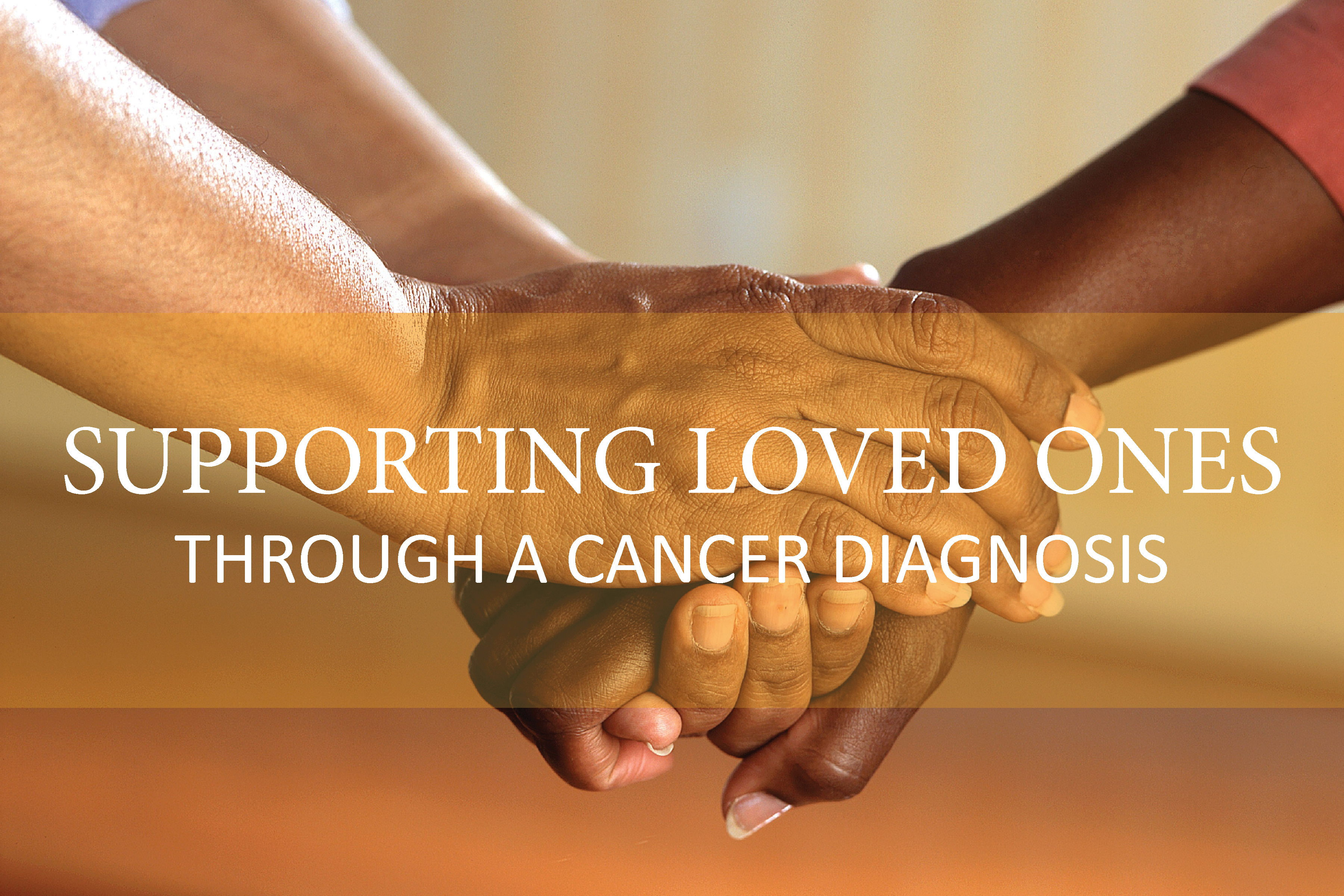
Supporting a Loved One Through a Cancer Diagnosis

The topic of cancer is often a sensitive subject, as a friend or a loved one, it can be difficult to know the best approach to support your loved one. However, the support of family and friends plays an important role in a cancer patient’s journey, so it’s good to identify an effective approach. Here are some tips from the American Cancer Society on ways to support a loved one through their cancer journey.

Be a Listening Ear
When talking with someone who has cancer, the most important thing you can do is simple. Just listen. Take time to listen and understand how they feel. Don’t try to assume how they are feeling or try to rush them into a conversation they are not ready for. By letting them talk in their timing opens the door to authentic conversations and lets them know you are someone safe they can share their feelings without an unwanted opinion or judgment.

Asking the Right Questions
Along with listening, knowing the right questions to ask creates an organic prompt for them to open up about areas they may not have been comfortable bringing up on their own. You are not forcing them to have a conversation, allow them to share as much or little as they are comfortable with. One of the key ways to facilitate open communication is not only to ask “How are you feeling?” but also “What are you feeling?” “Fine” or “good” are often a response to the first question, following up with the second digs a little deeper into what your friend is processing.

Offer Your Time and Resources
Getting to and from treatment is challenging for some. Sometimes, their health doesn’t allow them to get there on their own. It can be hard to ask for help in an already vulnerable situation. Approaching them with the offer of help alleviates that awkward conversation and opens the door for your loved one to share their needs.

Everyone, no matter how emotionally strong they are, or self-sufficient they feel can use support, even if it’s just knowing someone cares for them. Try to understand what your loved one is going through by listening and offering a helping hand and encouragement along the way.

EXPERT CARE

Our caring team of experts are here to provide you with a custom-tailored treatment plan that is unique to your diagnosis, tumor size, location and involvement. Click on the button below to learn more.

Coping with Cancer During the Holidays

If you have been diagnosed with cancer, the holiday season can be a difficult time. What often comes as a stressful time of year, is further escalated with the news of cancer. It can be both physically and emotionally draining. Allow yourself to get in the holiday spirit and enjoy the fullness of the season with these recommendations from the National Cancer Institute, Center for Cancer Research.

Be okay with not feeling okay. Be in the moment, and identify when your thoughts or emotions don’t match with others’ emotions in the moment. For example, if you’re in a happy moment, and you can’t enjoy it, take a step back to check in with yourself. It’s good to try to share in happy moments and find joy for yourself, but you are allowed to feel your real emotions, give yourself time to cry and reflect if you need to.

Have a go-to list of friends and family for support. Make a list of trusted people in your life who you can talk to when you need someone to listen to your concerns. Find people who will be able to be the support you need, a listening ear, a smile, or a word of encouragement. Bring a support friend or family member along with you to holiday events, or when you feel overwhelmed or stressed, call someone from your list.

The food you eat makes a difference. Eating a balanced diet gives your body the nutrients it needs to function correctly, not just physically, but emotionally as well. Limit sugary foods and alcohol to avoid dips in your energy. Plan your meals or eat before attending parties and events if you think it will be difficult to stick to a balanced diet.

Ask for help. Hosting can be overwhelming, especially if you are going through treatment. If holiday traditions take place at your house, make the adjustments you need to accommodate for your health. Suggest a potluck instead of cooking dinner for everyone, or ask friends or family for help preparing. They can help wrap presents, clean the house or cook.

Take time for self care. Find activities that help you feel good and relax. Try new things and set routines. Go for walks or runs, try dance classes or painting, get a massage, find what you like and make time for it. While you make time for relaxing activities, also be aware of what activities add stress. Don’t overexert yourself, be okay saying not to things or taking a break from routines. Allow yourself to take small steps to complete tasks and do what you can to preserve energy.

Don’t be hard on yourself. There are a lot of things that are out of your control, be mindful of your self-blaming thoughts and instead be positive and focus on things you can actively control.

EXPERT CARE

Our caring team of experts are here to provide you with a custom-tailored treatment plan that is unique to your diagnosis, tumor size, location and involvement. Click on the button below to learn more.
Things to Consider When Planning Your Prostate Cancer Screening

The benefit of regular screening is to catch cancer before symptoms occur. When caught in its earlier stages, prostate cancer is more treatable.

This might make it seem like prostate screening is always a good thing, but there are some issues surrounding screening that make it unclear if the benefits outweigh the risks for most men.

To ensure screening is right for you, look at the risk factors to see if they apply to you and talk with your healthcare provider. The American Cancer Society recommends men make an informed decision with their health care provider on whether to be screened for prostate cancer and when is a good time to start screening.

Consider these ages and factors when determining the best time to start discussion about screening:

  • Age 50 for men who are at average risk of prostate cancer and are expected to live at least 10 more years
  • Age 45 for men at high risk of developing prostate cancer. This includes African Americans and men who have a first-degree relative (father or brother) diagnosed with prostate cancer at an early age (younger than age 65).
  • Age 40 for men at even higher risk (those with more than one first-degree relative who had prostate cancer at an early age).

Learn more about the types of prostate cancer screenings by clicking HERE.

PROSTATE CANCER CARE

Prostate cancer that is detected early, when it is still confined to the prostate gland, has the best chance for successful treatment. Our caring team of experts are here to provide you with a custom-tailored treatment plan that is unique to your diagnosis, tumor size, location and involvement. Click on the button below to learn more.

A Guide to Healthy Holiday Eating

Holidays can be the most wonderful time of the year, but if you’re trying to stay true to your healthy eating plan, you might start dreading the holiday season, knowing it could be an end to your so-far-successful meal plan. The parties last for weeks, the food seems endless and everyone is splurging, so how do you avoid the pitfall and stick to your meal plan?

Here are 3 tips to help guide you in eating through the holidays.

Plan Ahead

The holidays typically are accompanied by lots of parties and social outings, which means food! And good food. You want to attend the get-togethers, but don’t want to sacrifice your meal plan. While you can’t control the food you’re served there are some things you can control to help keep your eating plan in place.

  • Eat close to your usual times to keep your blood sugar steady. If your meal is served later than normal, eat a small snack at your usual mealtime and eat a little less when dinner is served.
  • Invited to a party? Offer to bring a healthy dish along.
  • If you have a sweet treat, cut back on other carbs (like potatoes and bread) during the meal.
  • Don’t skip meals to save up for a feast. It will be harder to manage your blood sugar, and you’ll be really hungry and more likely to overeat.

If you slip up, don’t sweat it. Get right back to healthy eating with your next meal.

Limit the Trips to the Buffet

When you face a spread of delicious food it can be hard not to pile up your plate. You don’t need to avoid the buffet completely, but there are some safety nets you can set up so you don’t overeat.

  • Have a small plate of the foods you like best and then move away from the buffet table.
  • Start with vegetables to take the edge off your appetite.
  • Eat slowly. It takes at least 20 minutes for your brain to realize you’re full.

Treat Yourself

You don’t have to miss out on the fun holiday foods, have your favorite dessert, cook your favorite dish to share, and enjoy it yourself. It can make it more difficult sometimes to stick to your meal plan if you limit yourself to healthy foods only. Have that slice of pie or stuffing, just make sure to slow down when you’re eating to savor it, have a small serving and only one serving.

EXPERT CARE

Our caring team of experts are here to provide you with a custom-tailored treatment plan that is unique to your diagnosis, tumor size, location and involvement. Click on the button below to learn more.

Liver Cancer Awareness Month: What Are the Risk Factors?

October is Liver Cancer Awareness Month. Understanding the function of your liver and how to keep it healthy can help prevent cancer.

The liver has many important functions. It breaks down, stores, and helps transfer nutrients your body needs. The liver also breaks down alcohol, drugs, and toxic wastes in the blood, which then pass from the body through urine and stool.

Taking care of your liver is important to avoid harmful diseases, like cancer, that can form in the liver’s cells. The liver is mainly composed of cells called hepatocytes. There are other cells that line blood vessels and the small tubes in the liver called bile ducts. In these cells is where cancerous tumors form.

Liver cancer can be prevented by reducing exposure to the known risk factors. Here are some ways to prevent liver cancer recommended by the American Cancer Society.

Avoid and Treat Hepatitis B and C Infections

Worldwide, the most significant risk factor for liver cancer is chronic infection with hepatitis B virus (HBV) and hepatitis C virus (HCV). These viruses can spread from person to person through sharing contaminated needles (such as in drug use) through unprotected sex, and through childbirth, so some liver cancers may be avoided by not sharing needles and by using safer sex practices (such as always using condoms).

Limit Alcohol and Tobacco Use

Drinking alcohol can lead to cirrhosis, which in turn, can lead to liver cancer. Not drinking alcohol or drinking in moderation could help prevent liver cancer.

Since smoking also increases the risk of liver cancer, not smoking will also prevent some of these cancers. If you smoke, quitting will help lower your risk of this cancer, as well as many other cancers and life-threatening diseases.

Maintain a Healthy Weight

Avoiding obesity might be another way to help protect against liver cancer. People who are obese are more likely to have fatty liver disease and diabetes, both of which have been linked to liver cancer.

EXPERT CARE

Our caring team of experts are here to provide you with a custom-tailored treatment plan that is unique to your diagnosis, tumor size, location and involvement. Click on the button below to learn more.
October is Breast Cancer Awareness Month: Do You Have A Screening Routine?

October is Breast Cancer Awareness month. One in 8 women will be diagnosed with breast cancer in her lifetime according to the National Breast Cancer Foundation. This month is a good time to encourage routine care and testing to detect early breast cancer.

Breast cancer forms in the cells of the breast. Although mostly found among women, there are some cases where it appears in men.

Symptoms of breast cancer include:

  • A lump in the breast
  • Change in size, shape and appearance of the breast
  • Dimpling or changes to the skin over the breast
  • Peeling or flaking of the skin surrounding the nipple (the areola)
  • Redness or pitting of the skin over the breast

If you find a lump or other change in your breast — even if a recent mammogram was normal — don’t wait, make an appointment with your doctor.

The American Cancer Society recommends these tips about breast cancer screenings.

How often should I get a mammogram?

Women between the ages 50-74 years old are at average risk for breast cancer and can get a mammogram every two years.

It’s recommended women who are 40-49 years old should talk with their healthcare provider to discuss when they should start routine screenings and how often.

What are the different types of breast cancer screenings?

Mammogram

A mammogram is an X-ray of the breast. For many women, mammograms are the best way to find breast cancer early, when it is easier to treat and before it is big enough to feel or cause symptoms. Having regular mammograms can lower the risk of dying from breast cancer. At this time, a mammogram is the best way to find breast cancer for most women of screening age.

Breast Magnetic Resonance Imaging (MRI)

A breast MRI uses magnets and radio waves to take pictures of the breast. Breast MRI is used along with mammograms to screen women who are at high risk for getting breast cancer. Because breast MRIs may appear abnormal even when there is no cancer, they are not used for women at average risk.

Other Exams

A clinical breast exam is an examination by a doctor or nurse, who uses his or her hands to feel for lumps or other changes.

Breast Self-Awareness

Being familiar with how your breasts look and feel can help you notice symptoms such as lumps, pain, or changes in size that may be of concern. These could include changes found during a breast self-exam. You should report any changes that you notice to your doctor or health care provider.

Having a clinical breast exam or doing a breast self-exam has not been found to lower the risk of dying from breast cancer.

Breast Cancer Care

At Cancer Care of North Florida, once cancer has been diagnosed, our specialists may order diagnostic testing and imaging to help determine the stage and extent of the disease. We use the most advanced therapies available to treat breast cancer. Click on the button below to learn more.

September is Ovarian Cancer Awareness Month

Gynecological cancers encompass all cancers in the female reproductive system. All women are at risk of developing these cancers, which increase with age and can vary depending on the cancer type.

According to the Foundation of Women’s Cancer, ovarian cancer is the seventh most common cancer type among women worldwide.

Ovarian cancer is composed of three major categories: epithelial ovarian cancer, germ cell cancer, and stromal cell cancer.

Understanding the 3 Categories of Ovarian Cancer

Epithelial Ovarian Cancers

Epithelial ovarian cancers are the most common of ovarian cancers, accounting for 85% to 89%. They rank fourth in cancer deaths among women in the U.S. and cause more deaths than any other cancer of the female reproductive system.

Epithelial ovarian cancers form in the surface cells of the ovary, or from the fallopian tube surface cells. They can be a part of a hereditary syndrome such as those with BRCA1 and/or BRCA2 gene mutations. Fallopian tube and primary peritoneal cancers are also epithelial cancers and have some of the same behaviors, risks and treatment approaches.

Germ Cell Cancers

Germ cell cancers account for nearly 5% of ovarian cancers, making it one of the less common forms of ovarian cancer than epithelial cancer.

Germ cell cancers start in the cells that develop into follicles or eggs in the ovaries. Typically, this cancer appears in adolescents and young women and often affects only one ovary.

Stromal Cell Cancers

Stromal cell cancers are another rare ovarian cancer. They start in the cells that produce female hormones and hold the ovarian tissues together. Similarly, there are several types of stromal cell cancers and presentation and treatment can vary.

Symptoms of ovarian cancer can include:

These symptoms include:
• Bloating
• Pelvic or abdominal pain
• Difficulty eating or feeling full quickly
• Urinary symptoms (urgency or frequency)

While these may be common symptoms many women
without cancer may have occasionally, patients with ovarian
cancer report that symptoms are persistent and often
progressive, and represent a change from normal for
their bodies.

Women’s Cancer Care

Our caring team of experts are here to provide you with a custom-tailored treatment plan in women’s health that is unique to your diagnosis, tumor size, location and involvement. Click on the button below to learn more.