Category

Cancer Awareness

Colon Cancer Awareness: Why Early Detection Matters

March is Colorectal Cancer Awareness Month, a time to highlight the importance of screening, prevention, and early detection. Colon cancer is the second leading cause of cancer-related deaths, yet it is also one of the most preventable cancers.

Who Should Get Screened?

The American Cancer Society recommends that adults at average risk begin regular colon cancer screenings at age 45. However, you may need earlier or more frequent screening if you have:

  • A family history of colorectal cancer or polyps
  • A personal history of inflammatory bowel disease (IBD), Crohn’s disease, or ulcerative colitis
  • Genetic syndromes like Lynch syndrome or familial adenomatous polyposis (FAP)
  • Lifestyle risk factors, such as smoking, obesity, or a diet high in processed foods

Screening Options for Colon Cancer

There are several ways to detect colon cancer early:

  • Colonoscopy – The gold standard for detecting and removing precancerous polyps.
  • Stool Tests – Non-invasive tests that check for blood or abnormal DNA in the stool.
  • CT Colonography (Virtual Colonoscopy) – A less invasive option using imaging technology.

How You Can Reduce Your Risk

Colon cancer risk can be lowered with healthy lifestyle habits, including:

Eating a High-Fiber Diet – Whole grains, vegetables, and fruits support gut health.
Staying Active – Regular exercise can help reduce your risk.
Avoiding Tobacco & Excessive Alcohol – Smoking and drinking increase cancer risk.
Getting Screened – Early detection saves lives!

Take Action Today

If you’re due for a screening, don’t wait. Early detection can prevent colon cancer or catch it at an early, treatable stage.

 

Recognizing the Symptoms of Colon Cancer: What You Need to Know


Colonrectal cancer is one of the most common cancers, but when detected early, it is highly treatable. Understanding the warning signs can help you take action before the disease progresses. We encourage everyone to be aware of these symptoms and prioritize regular screenings.

Common Symptoms of Colorectal Cancer

Colorectal cancer often develops without noticeable symptoms in its early stages, which is why screening is crucial. However, as the disease progresses, signs may include:

  • Changes in Bowel Habits – Persistent diarrhea, constipation, or narrow stools that last more than a few days.
  • Blood in the Stool – Bright red or dark stools may indicate bleeding in the colon.
  • Unexplained Weight Loss – Losing weight without trying could be a sign of an underlying issue.
  • Abdominal Pain or Cramping – Discomfort, bloating, or a feeling of fullness may be symptoms of colon cancer.
  • Fatigue or Weakness – Ongoing fatigue can be a sign of anemia caused by internal bleeding.
  • Feeling Like You Still Need to Go – A persistent feeling that your bowel isn’t empty after using the restroom.

When to See a Doctor

If you experience any of these symptoms for more than a few weeks, don’t ignore them. While these signs can be caused by other conditions, it’s important to speak with your doctor to rule out colon cancer.

Schedule a screening today—because knowing your risk could save your life.

Colorectal Cancer Awareness: Know the Facts, Reduce Your Risk


Colorectal cancer is one of the most common cancers, yet it is also one of the most preventable and treatable when detected early. March is Colorectal Cancer Awareness Month, a time to raise awareness, encourage screenings, and promote healthy habits that can lower your risk.

Understanding Colorectal Cancer

Colorectal cancer begins in the colon or rectum and often starts as small polyps that can become cancerous over time. While anyone can develop colorectal cancer, risk factors such as age, family history, diet, and lifestyle choices can increase the likelihood of developing the disease.

Why Screening Matters

Early detection saves lives. Screening tests, such as colonoscopies, can identify precancerous polyps before they turn into cancer. The American Cancer Society recommends that individuals at average risk begin screening at age 45, while those with a family history or other risk factors may need to start even earlier.

Reduce Your Risk

While some risk factors are beyond your control, making healthy lifestyle choices can significantly lower your risk of colorectal cancer:
– Eat a fiber-rich diet with plenty of fruits, vegetables, and whole grains
– Maintain a healthy weight and stay physically active
– Limit red and processed meats
– Avoid smoking and excessive alcohol consumption

Spreading Awareness & Supporting Patients

This March, take the time to learn about colorectal cancer, encourage loved ones to get screened, and support those facing the disease. Whether by scheduling your own screening or sharing awareness messages, small actions can make a big difference.

If you or a loved one have questions about colorectal cancer prevention, screening, or treatment, our oncology specialists are here to help.


Coping with a Cancer Diagnosis

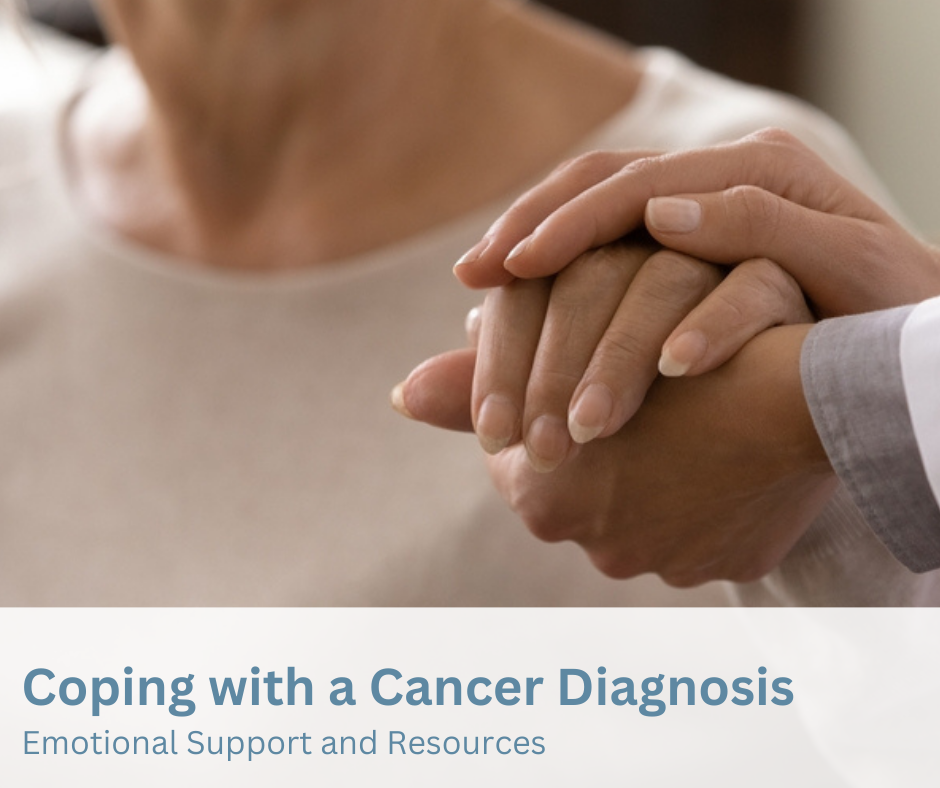
A cancer diagnosis can bring a wave of emotions—fear, anxiety, sadness, and even anger. While these feelings are normal, finding the right emotional support can make a significant difference in your journey.

1. Strong Support System
Having a trusted circle of family, friends, and caregivers can provide emotional and practical help. If you feel overwhelmed, lean on loved ones for support.

2. Join a Support Group
Connecting with others who understand your journey can be empowering. Many hospitals and cancer centers offer in-person or virtual support groups for patients and caregivers.

3. Consider Counseling or Therapy
A professional therapist specializing in cancer care can help you process emotions, reduce anxiety, and develop coping strategies.

4. Practice Self-Care
Taking care of your mind and body is essential.

– Mindfulness or meditation for stress relief
– Journaling to express emotions
– Gentle exercise to improve mood

No one should face cancer alone. Seeking emotional support can help you navigate this journey with strength and resilience.

The Link Between Heart Health and Cancer

February is American Heart Month, making it the perfect time to discuss the connection between heart disease and cancer. Many cancer treatments impact cardiovascular health, making it essential for patients and survivors to take steps to protect their hearts.

How Does Cancer Affect the Heart?

Some cancer treatments, including chemotherapy, radiation, and immunotherapy, can weaken the heart over time. This may increase the risk of:
– High blood pressure
– Heart failure
– Irregular heartbeats (arrhythmias)

Patients with pre-existing heart conditions may be more vulnerable to heart-related side effects from cancer treatments.

How to Protect Your Heart During Cancer Treatment

– Monitor Your Heart Health – Regular check-ups and heart screenings can help catch issues early.
– Eat a Heart-Healthy Diet – Choose foods that lower inflammation, such as berries, nuts, leafy greens, and lean proteins.
– Stay Active – Even light exercise, like walking, can benefit heart health.
– Manage Stress – Meditation, deep breathing, and support groups can help reduce stress on your heart.
– Communicate with Your Doctor – Let your oncologist and cardiologist work together to create a plan that protects both your heart and your cancer treatment plan.

Heart health and cancer care go hand in hand. Taking steps to protect your heart can improve overall well-being and enhance recovery.

National Cancer Prevention Month: Steps to Lower Your Risk

February is National Cancer Prevention Month, a time to raise awareness about the steps we can all take to reduce our cancer risk. While some factors, like genetics, are beyond our control, many lifestyle choices can help prevent cancer.

1. Get Regular Screenings

Early detection saves lives. Routine screenings, such as mammograms, colonoscopies, and skin checks, can detect cancer in its early stages when treatment is most effective. Speak with your doctor to determine which screenings are right for you based on age, family history, and lifestyle.

2. Maintain a Healthy Diet

A well-balanced diet can help protect against cancer. Focus on:
– Fruits and vegetables rich in antioxidants
– Whole grains instead of refined carbs
– Lean proteins, such as fish and poultry
– Limiting red and processed meats

3. Stay Physically Active

Regular physical activity lowers the risk of several cancers, including breast and colon cancer. Aim for at least 150 minutes of moderate exercise per week, such as walking, swimming, or cycling.

4. Avoid Tobacco and Limit Alcohol

Smoking is the leading preventable cause of cancer. If you smoke, seek support to quit. Alcohol consumption has also been linked to several cancers, so moderation is key—one drink per day for women, two for men.

5. Protect Your Skin

UV exposure is a major cause of skin cancer. Protect yourself by:

– Wearing sunscreen (SPF 30 or higher)
– Seeking shade during peak sun hours
– Wearing protective clothing

6. Know Your Family History

Some cancers run in families. If you have a strong family history of cancer, genetic testing and increased screenings may be recommended.

By making small changes, you can significantly reduce your cancer risk. This month, take the opportunity to assess your habits and commit to healthier choices. Prevention starts today.

Cervical Cancer Treatment Options

Cervical cancer can be treated in various ways, depending on the type of cancer and its stage. Here are the main treatment methods:

1. Surgery

Surgery involves the removal of cancerous tissue and is often used for early-stage cervical cancer. Types of surgery include:

  • Conization or LEEP: For very early cancer.
  • Hysterectomy: Removes the uterus and cervix.
  • Trachelectomy: Preserves fertility by removing only the cervix.

2. Chemotherapy

Chemotherapy uses drugs to shrink or kill cancer cells. These medications can be administered as pills or through an IV, and sometimes both methods are combined. Chemotherapy is often used with radiation for more advanced cases.

3. Radiation Therapy

Radiation therapy employs high-energy rays, similar to X-rays, to destroy cancer cells. It may be used alone or in conjunction with surgery or chemotherapy.

4. Immunotherapy

Immunotherapy works with your immune system to target and fight cancer cells. It can also help manage side effects from other treatments.

5. Targeted Therapy

Targeted therapy uses drugs that specifically block the growth and spread of cancer cells. Before starting targeted therapy, doctors perform tests to ensure the treatment is appropriate for your type of cancer.


Choosing the Right Treatment

Selecting the best treatment involves open communication with your gynecologic oncologist. Your doctor will explain the available options, the associated risks, and the potential side effects of each treatment. Common side effects can include fatigue, nausea, or hair loss, depending on the therapy.


Take Charge of Your Care

Cervical cancer treatment is not one-size-fits-all. By working closely with your healthcare team, you can create a plan tailored to your needs and preferences. Remember, you don’t have to navigate this journey alone—there are specialists and resources to support you every step of the way.

Cervical Cancer Prevention: The Role of HPV Vaccination

When it comes to preventing cervical cancer, the HPV vaccine is one of the most powerful tools available. Human papillomavirus (HPV) is a group of more than 200 related viruses, several of which are linked to the development of cervical cancer. The good news is that vaccination can protect against the most common types of HPV that cause cancer.

What is the HPV Vaccine?

The HPV vaccine is a safe and effective vaccine that protects against certain strains of HPV, including the types most commonly associated with cervical, anal, and throat cancers. The vaccine doesn’t treat existing infections but prevents new infections from occurring, significantly reducing the risk of cervical cancer.

Who Should Get Vaccinated?

The vaccine is recommended for both girls and boys, typically between the ages of 11 and 12, though it can be given as early as age 9 and up to age 26. In some cases, adults aged 27 to 45 may benefit from vaccination, particularly if they haven’t been exposed to all HPV types covered by the vaccine.

How Effective is the Vaccine?

The HPV vaccine is highly effective in preventing the most dangerous types of HPV that are responsible for about 70% of cervical cancer cases. It’s most effective when given before any exposure to HPV, which is why early vaccination is key.

Why Vaccinate?

Cervical cancer can take years or even decades to develop after initial HPV infection, making prevention crucial. By vaccinating against HPV, we can significantly reduce the number of cervical cancer cases. In addition to cervical cancer, the vaccine also protects against other cancers caused by HPV, such as throat, penile, and anal cancers.

Vaccination is one of the most important steps in preventing cervical cancer. Speak with your healthcare provider about getting the HPV vaccine and encourage loved ones to do the same. Prevention is the best way to reduce the impact of this disease.

Cervical Cancer: Early Detection and Symptoms

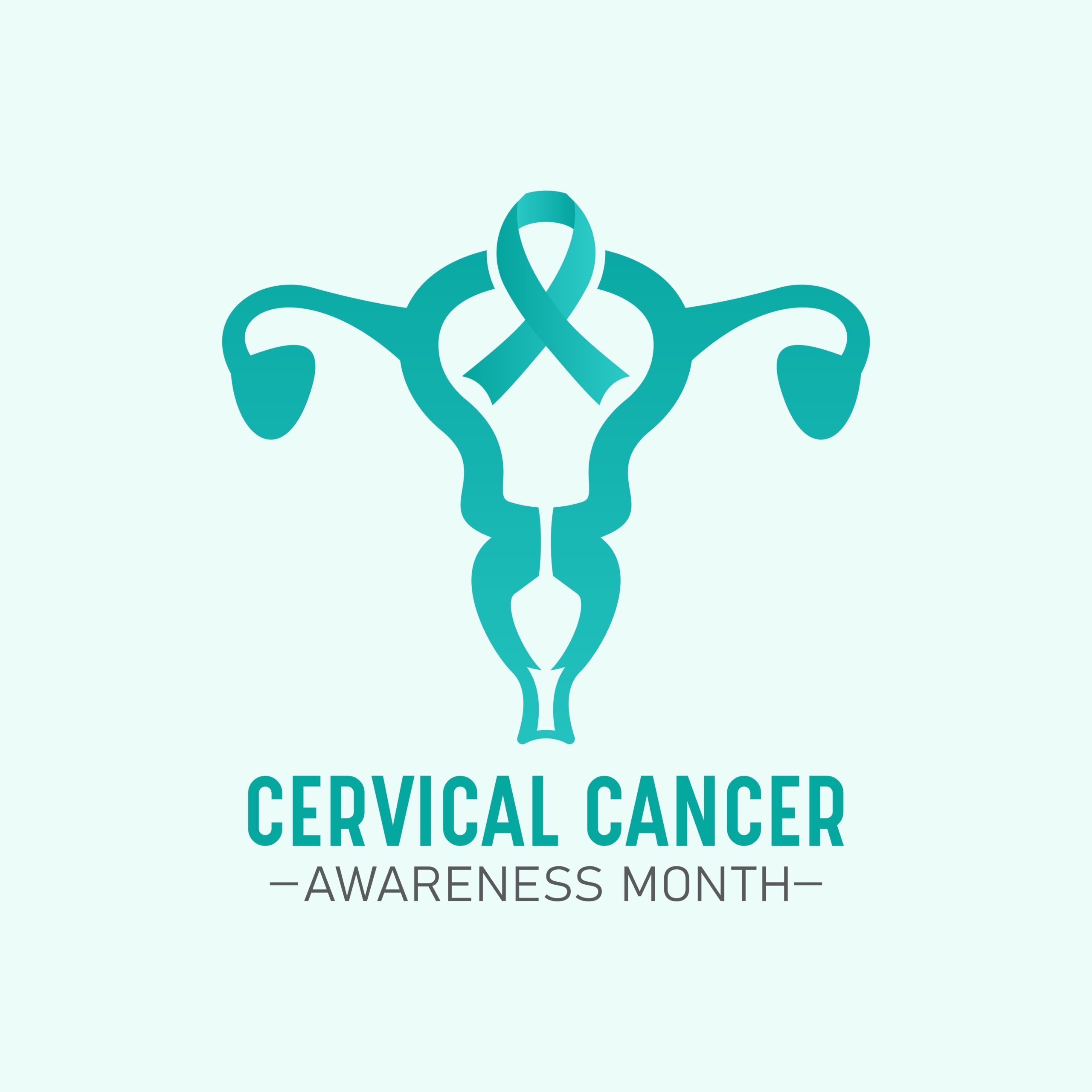
January is Cervical Cancer Awareness Month, a time to shed light on the importance of early detection and preventive measures for cervical cancer. Cervical cancer occurs when abnormal cells in the cervix begin to grow uncontrollably. Though it is a serious diagnosis, it’s also one that can often be prevented or treated successfully when caught early.

What is Cervical Cancer?

Cervical cancer starts in the cells of the cervix—the lower part of the uterus that connects to the vagina. It’s primarily caused by persistent infection with certain types of human papillomavirus (HPV). Most HPV infections go away on their own, but in some cases, the virus can cause abnormal changes in cervical cells that lead to cancer over time.

Risk Factors

There are several risk factors associated with cervical cancer, including:

  • HPV Infection: The most significant risk factor. HPV is a group of more than 200 related viruses, some of which can lead to cervical cancer.
  • Smoking: Women who smoke are at a higher risk of developing cervical cancer.
  • Weakened Immune System: Conditions such as HIV or certain medications can weaken the immune system, increasing the risk.
  • Family History: A family history of cervical cancer can also raise your risk.

Symptoms

In the early stages, cervical cancer often has no noticeable symptoms. However, as the disease progresses, you may experience:

  • Abnormal vaginal bleeding (between periods, after sex, or after menopause)
  • Unusual vaginal discharge
  • Pain during intercourse
  • Pelvic pain

Why Early Detection Matters

Cervical cancer is highly preventable through early screening. Regular Pap smears (or Pap tests) can detect abnormal cells in the cervix before they develop into cancer. HPV tests can also detect high-risk HPV strains that may lead to cervical cancer.

Proactive steps like getting screened, practicing safe sex, and getting the HPV vaccine can significantly reduce the risk of cervical cancer.

What to Expect: Radiation Therapy

Understanding Radiation Therapy: What to Expect During Treatment

Here’s an overview of what to expect during your radiation therapy journey:

  1. What is Radiation Therapy?

Radiation therapy is a highly targeted treatment that uses high-energy rays to destroy cancer cells. It’s designed to minimize damage to surrounding healthy tissue while effectively treating the cancer site. Depending on your diagnosis, radiation therapy may be used alone or in combination with other treatments like chemotherapy or surgery.

  1. Preparing for Your First Appointment

Your journey begins with a consultation. During this visit:

  • Your oncologist will review your medical history and discuss your diagnosis.
  • Imaging tests, such as CT or MRI scans, may be ordered to pinpoint the exact area to be treated.
  • You’ll have the chance to ask questions and discuss your goals and concerns.

Once you’ve decided to proceed with radiation therapy, a simulation appointment will be scheduled. During this session, a specialized team will map the treatment area using imaging technology. This ensures the radiation targets the cancer precisely while sparing healthy tissues.

  1. The Treatment Process

Radiation therapy is typically delivered in daily sessions, Monday through Friday, over several weeks. Here’s what you can expect during each treatment:

  1. Managing Side Effects

While radiation therapy is highly targeted, it may cause side effects, which vary depending on the treatment area. Common side effects include:

  • Fatigue
  • Skin irritation (similar to a sunburn)
  • Changes in appetite or digestion

Your care team will provide tips and support to help you manage these side effects effectively.

  1. Ongoing Support

Throughout your treatment, regular check-ins with your radiation oncologist and care team will ensure that everything is progressing as planned. If you have concerns or new symptoms, your team is here to address them promptly.