
Category

Healthy Lifestyle

The Right Diet Plan Could Prevent Kidney Stones

Kidney stones are hard masses that form from crystals in the urine. Sometimes, they do not have recognizable symptoms, but often, kidney stones can be very painful. Either way, you will want to avoid them, or maybe you’ve had them and you’re in no rush for them to return. There are preventative actions you can take with changes to your diet plan that will help keep kidney stones from building.

Before we begin with diet recommendations, it’s important to note that all kidney stones are not the same. The most common type of kidney stone is a calcium stone, with uric acid stones following close after. Diet and medical treatment are different depending on the stone type.

The National Kidney Foundation gives these diet recommendations dependent on the kidney stone type.

1. Calcium Oxalate Stones: most common stones

Oxalate is naturally found in many foods, including fruits and vegetables, nuts and seeds, grains, legumes, and even chocolate and tea. Some examples of foods that have high levels of oxalate include peanuts, rhubarb, spinach, beets, Swiss chard, chocolate and sweet potatoes. Limiting intake of these foods may be beneficial for people who form calcium oxalate stones which is the leading type of kidney stone.

Eat and drink calcium foods such as milk, yogurt, and some cheese and oxalate-rich foods together during a meal. The oxalate and calcium from the foods are more likely to bind to one another in the stomach and intestines before entering the kidneys. This will make it less likely that kidney stones will form.

Calcium is not the enemy but it tends to get a bad rap! This is most likely due to its name and misunderstanding that calcium is the main cause in calcium-oxalate stones. A diet low in calcium actually increases your chances of developing kidney stones.

Don’t reduce the calcium in your diet. Work to cut back on the sodium in your diet and to pair calcium-rich foods with oxalate-rich foods. The recommended calcium intake to prevent calcium stones is 1000-1200 mg per day (you can eat 3 servings of dairy products with meals to meet the recommendation).

Extra sodium causes you to lose more calcium in your urine. Sodium and calcium share the same transport in the kidney so if you eat high sodium foods it will increase calcium leakage in the urine. Therefore, a high sodium diet can increase your chances for developing another stone. There are many sources of “hidden” sodium such as canned or commercially processed foods as well as restaurant-prepared and fast foods.

You can lower your sodium intake by choosing fresh low sodium foods which can help to lower calcium leakage in the urine and will also help with blood pressure control if you have high blood pressure.

2. Uric acid stones: another common stone

Red meat, organ meats, and shellfish have high amounts of a natural chemical compound known as purines. High purine intake leads to a higher production of uric acid and a larger acid load for the kidneys to excrete. Higher uric acid excretion leads to more acidic urine. The high acid concentration of the urine makes it easier for uric acid stones to form.

To prevent uric acid stones, cut down on high-purine foods such as red meat, organ meats, beer/alcoholic beverages, meat-based gravies, sardines, anchovies and shellfish. Follow a healthy diet plan that has mostly vegetables and fruits, whole grains, and low-fat dairy products. Limit sugar-sweetened foods and drinks, especially those that have high fructose corn syrup. Limit alcohol because it can increase uric acid levels in the blood and avoid short term diets for the same reason. Decreasing animal-based protein and eating more fruits and vegetables will help decrease urine acidity and this may help reduce the chance for uric acid stone formation.

General Diet Recommendations for Kidney Stones:

Drink plenty of fluid: 2-3 quarts/day
This includes any type of fluid such as water, coffee and lemonade which have been shown to have a beneficial effect with the exception of grapefruit juice and soda. This will help produce less concentrated urine and ensure a good urine volume of at least 2.5L/day.

Limit foods with high oxalate content
Spinach, many berries, chocolate, wheat bran, nuts, beets, tea and rhubarb should be eliminated from your diet intake.

Eat enough dietary calcium
Three servings of dairy per day will help lower the risk of calcium stone formation. Eat with meals.

Avoid extra calcium supplements
Calcium supplements should be individualized by your physician and registered kidney dietitian.

Eat a moderate amount of protein
High protein intakes will cause the kidneys to excrete more calcium therefore this may cause more stones to form in the kidney.

Avoid high salt intake
High sodium intake increases calcium in the urine which increases the chances of developing stones. Low salt diet is also important to control blood pressure.

Avoid high doses of vitamin C supplements
It is recommend to take 60mg/day of vitamin C based on the US Dietary Reference Intake Excess. Amounts of 1000mg/day or more may produce more oxalate in the body.

EXPERT CARE

Our caring team of experts are here to provide you with a custom-tailored treatment plan that is unique to your diagnosis, tumor size, location and involvement. Click on the button below to learn more.

This Common New Year’s Resolution Can Reduce Your Risk of Cancer

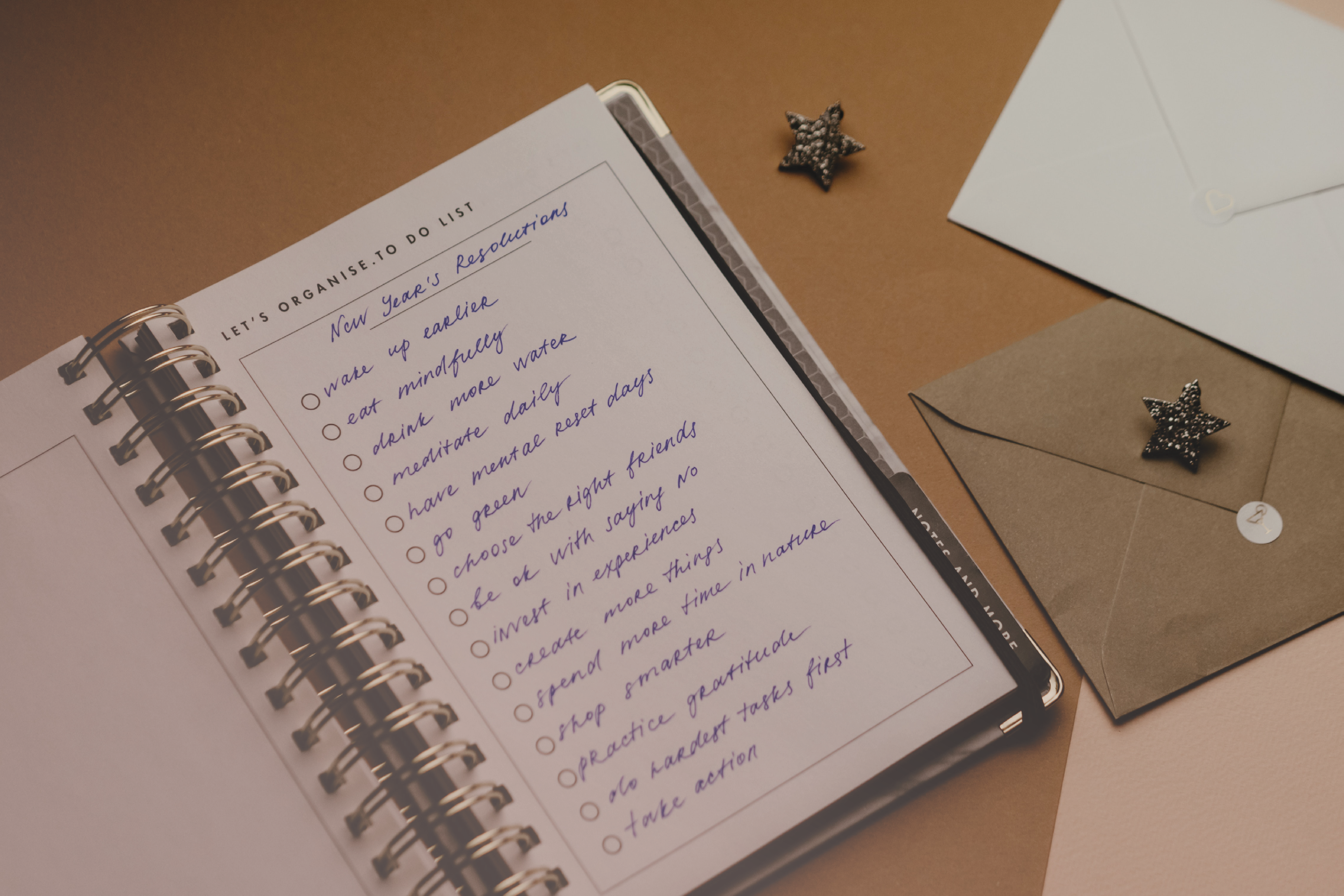
What are your New Year’s resolutions? Odds are, “exercising more” is somewhere on the list. If not, consider adding it. According to the National Cancer Institute, there is strong evidence linking higher physical activity to lower risk of cancer.

Anyone who has set a resolution knows how difficult it is to maintain them, so here are a few tips to help you successfully keep yours this year.

1. Understand Your Body

Understand what level of physical activity is appropriate for your age, gender and health. If you are dealing with a sickness or disease, consult your healthcare provider and get a physical medical exam before beginning an exercise routine. They may have recommendations on best practices or things to avoid you may not have known about.

2. Make a Plan and Set Realistic Goals

Once you’ve talked with your healthcare provider and agreed on an appropriate amount of exercise and exercise type, make a plan and set realistic goals for yourself. Don’t overreach. While ambition is great, make sure you start your plan with easy steps to follow. As you achieve your smaller goals, your chances of success increase and it will help you stay motivated to reach your ultimate goal.

For example, if your ultimate goal is to finish a 5k run, you can start building a plan that starts with shorter distances, and once you reach those smaller goals, you can increase the distance until you reach your ultimate goal of a 5k.

3. Make Exercise a Habit

Stay consistent. A key to reaching your exercise goals is sticking to your routine. Studies have shown that people maintain a consistent exercise routine in the long term if they make a habit of doing it regularly.

Furthermore, making a schedule or exercising at the same time every day are good ways to sustain your routine and make it last.

For example, you can make exercise a habit by planning to work out right after work every day or first thing in the morning. It’s important to choose a time that works best for you and stick to it.

Why is exercise so important?

An over-sedentary lifestyle increases the risk of developing chronic conditions and can lead to premature death. To name a few benefits, physical activity reduces the risk of cancer by reducing inflammation, improving the immune system’s function, helping maintain a healthy weight, and preventing high blood levels of insulin.

See How We Specialize Cancer Care

No two situations are the same. That’s why our caring team of experts are here to provide you with a custom-tailored treatment plan that is unique to your diagnosis, tumor size, location and involvement. Click on the button below to learn more.
This Common New Year’s Resolution Can Reduce Your Risk of Cancer

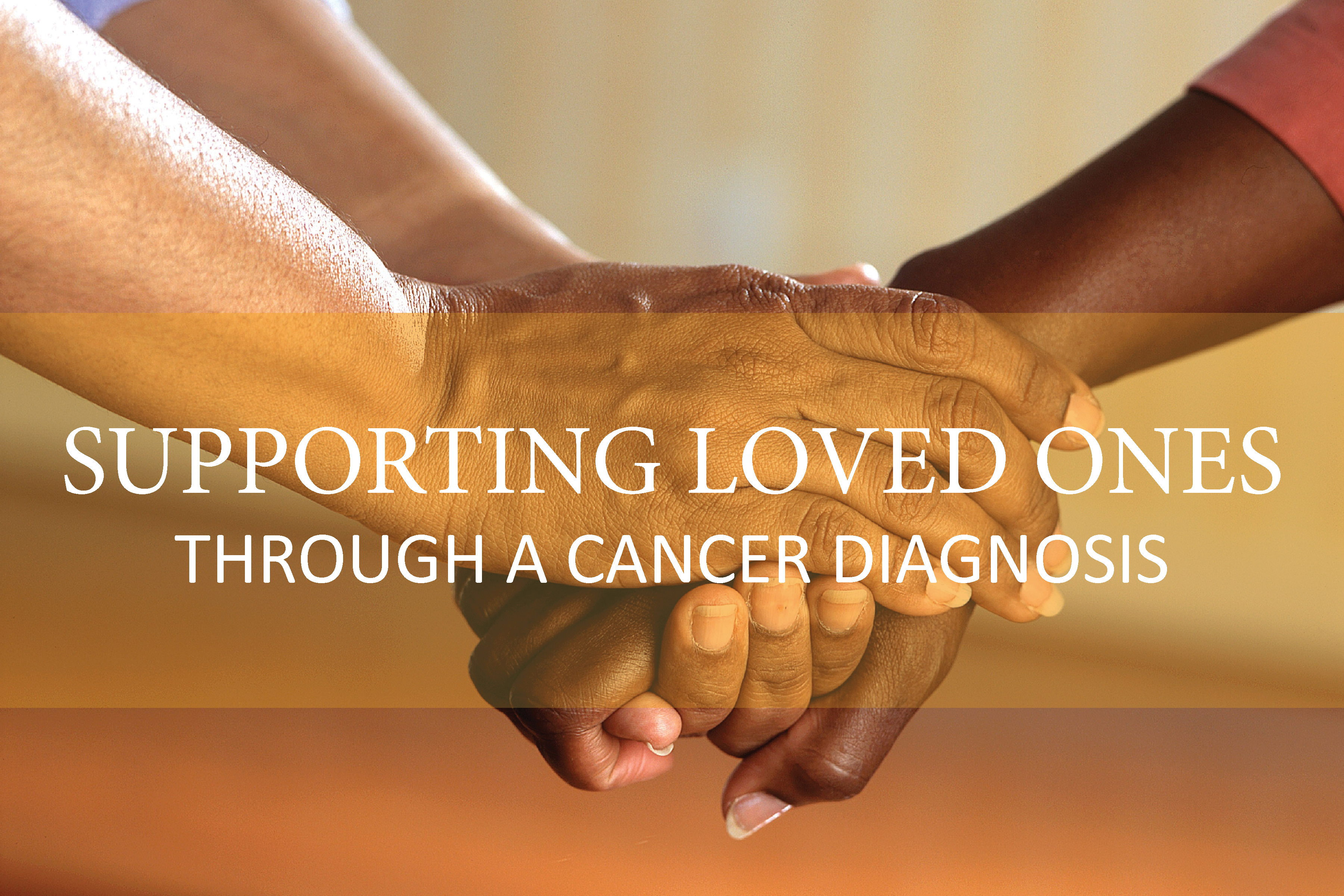
What are your New Year’s resolutions? Odds are, “exercising more” is somewhere on the list. If not, consider adding it. According to the National Cancer Institute, there is strong evidence linking higher physical activity to lower risk of cancer.

Anyone who has set a resolution knows how difficult it is to maintain them, so here are a few tips to help you successfully keep yours this year.

1. Understand Your Body

Understand what level of physical activity is appropriate for your age, gender and health. If you are dealing with a sickness or disease, consult your healthcare provider and get a physical medical exam before beginning an exercise routine. They may have recommendations on best practices or things to avoid you may not have known about.

2. Make a Plan and Set Realistic Goals

Once you’ve talked with your healthcare provider and agreed on an appropriate amount of exercise and exercise type, make a plan and set realistic goals for yourself. Don’t overreach. While ambition is great, make sure you start your plan with easy steps to follow. As you achieve your smaller goals, your chances of success increase and it will help you stay motivated to reach your ultimate goal.

For example, if your ultimate goal is to finish a 5k run, you can start building a plan that starts with shorter distances, and once you reach those smaller goals, you can increase the distance until you reach your ultimate goal of a 5k.

3. Make Exercise a Habit

Stay consistent. A key to reaching your exercise goals is sticking to your routine. Studies have shown that people maintain a consistent exercise routine in the long term if they make a habit of doing it regularly.

Furthermore, making a schedule or exercising at the same time every day are good ways to sustain your routine and make it last.

For example, you can make exercise a habit by planning to work out right after work every day or first thing in the morning. It’s important to choose a time that works best for you and stick to it.

Why is exercise so important?

An over-sedentary lifestyle increases the risk of developing chronic conditions and can lead to premature death. To name a few benefits, physical activity reduces the risk of cancer by reducing inflammation, improving the immune system’s function, helping maintain a healthy weight, and preventing high blood levels of insulin.

EXPERT CARE

Our caring team of experts are here to provide you with a custom-tailored treatment plan that is unique to your diagnosis, tumor size, location and involvement. Click on the button below to learn more.
Supporting a Loved One Through a Cancer Diagnosis

The topic of cancer is often a sensitive subject, as a friend or a loved one, it can be difficult to know the best approach to support your loved one. However, the support of family and friends plays an important role in a cancer patient’s journey, so it’s good to identify an effective approach. Here are some tips from the American Cancer Society on ways to support a loved one through their cancer journey.

Be a Listening Ear
When talking with someone who has cancer, the most important thing you can do is simple. Just listen. Take time to listen and understand how they feel. Don’t try to assume how they are feeling or try to rush them into a conversation they are not ready for. By letting them talk in their timing opens the door to authentic conversations and lets them know you are someone safe they can share their feelings without an unwanted opinion or judgment.

Asking the Right Questions
Along with listening, knowing the right questions to ask creates an organic prompt for them to open up about areas they may not have been comfortable bringing up on their own. You are not forcing them to have a conversation, allow them to share as much or little as they are comfortable with. One of the key ways to facilitate open communication is not only to ask “How are you feeling?” but also “What are you feeling?” “Fine” or “good” are often a response to the first question, following up with the second digs a little deeper into what your friend is processing.

Offer Your Time and Resources
Getting to and from treatment is challenging for some. Sometimes, their health doesn’t allow them to get there on their own. It can be hard to ask for help in an already vulnerable situation. Approaching them with the offer of help alleviates that awkward conversation and opens the door for your loved one to share their needs.

Everyone, no matter how emotionally strong they are, or self-sufficient they feel can use support, even if it’s just knowing someone cares for them. Try to understand what your loved one is going through by listening and offering a helping hand and encouragement along the way.

EXPERT CARE

Our caring team of experts are here to provide you with a custom-tailored treatment plan that is unique to your diagnosis, tumor size, location and involvement. Click on the button below to learn more.
How to Support a Loved One in a Cancer Diagnosis

The topic of cancer is often a sensitive subject, as a friend or a loved one, it can be difficult to know the best approach to support your loved one. However, the support of family and friends plays an important role in a cancer patient’s journey, so it’s good to identify an effective approach. Here are some tips from the American Cancer Society on ways to support a loved one through their cancer journey.

Be a Listening Ear
When talking with someone who has cancer, the most important thing you can do is simple. Just listen. Take time to listen and understand how they feel. Don’t try to assume how they are feeling or try to rush them into a conversation they are not ready for. By letting them talk in their timing opens the door to authentic conversations and lets them know you are someone safe they can share their feelings without an unwanted opinion or judgment.

Asking the Right Questions
Along with listening, knowing the right questions to ask creates an organic prompt for them to open up about areas they may not have been comfortable bringing up on their own. You are not forcing them to have a conversation, allow them to share as much or little as they are comfortable with. One of the key ways to facilitate open communication is not only to ask “How are you feeling?” but also “What are you feeling?” “Fine” or “good” are often a response to the first question, following up with the second digs a little deeper into what your friend is processing.

Offer Your Time and Resources
Getting to and from treatment is challenging for some. Sometimes, their health doesn’t allow them to get there on their own. It can be hard to ask for help in an already vulnerable situation. Approaching them with the offer of help alleviates that awkward conversation and opens the door for your loved one to share their needs.

Everyone, no matter how emotionally strong they are, or self-sufficient they feel can use support, even if it’s just knowing someone cares for them. Try to understand what your loved one is going through by listening and offering a helping hand and encouragement along the way.

EXPERT CARE

Our caring team of experts are here to provide you with a custom-tailored treatment plan that is unique to your diagnosis, tumor size, location and involvement. Click on the button below to learn more.
Coping with Cancer During the Holidays

If you have been diagnosed with cancer, the holiday season can be a difficult time. What often comes as a stressful time of year, is further escalated with the news of cancer. It can be both physically and emotionally draining. Allow yourself to get in the holiday spirit and enjoy the fullness of the season with these recommendations from the National Cancer Institute, Center for Cancer Research.

Be okay with not feeling okay. Be in the moment, and identify when your thoughts or emotions don’t match with others’ emotions in the moment. For example, if you’re in a happy moment, and you can’t enjoy it, take a step back to check in with yourself. It’s good to try to share in happy moments and find joy for yourself, but you are allowed to feel your real emotions, give yourself time to cry and reflect if you need to.

Have a go-to list of friends and family for support. Make a list of trusted people in your life who you can talk to when you need someone to listen to your concerns. Find people who will be able to be the support you need, a listening ear, a smile, or a word of encouragement. Bring a support friend or family member along with you to holiday events, or when you feel overwhelmed or stressed, call someone from your list.

The food you eat makes a difference. Eating a balanced diet gives your body the nutrients it needs to function correctly, not just physically, but emotionally as well. Limit sugary foods and alcohol to avoid dips in your energy. Plan your meals or eat before attending parties and events if you think it will be difficult to stick to a balanced diet.

Ask for help. Hosting can be overwhelming, especially if you are going through treatment. If holiday traditions take place at your house, make the adjustments you need to accommodate for your health. Suggest a potluck instead of cooking dinner for everyone, or ask friends or family for help preparing. They can help wrap presents, clean the house or cook.

Take time for self care. Find activities that help you feel good and relax. Try new things and set routines. Go for walks or runs, try dance classes or painting, get a massage, find what you like and make time for it. While you make time for relaxing activities, also be aware of what activities add stress. Don’t overexert yourself, be okay saying not to things or taking a break from routines. Allow yourself to take small steps to complete tasks and do what you can to preserve energy.

Don’t be hard on yourself. There are a lot of things that are out of your control, be mindful of your self-blaming thoughts and instead be positive and focus on things you can actively control.

EXPERT CARE

Our caring team of experts are here to provide you with a custom-tailored treatment plan that is unique to your diagnosis, tumor size, location and involvement. Click on the button below to learn more.

Coping with Cancer During the Holidays

If you have been diagnosed with cancer, the holiday season can be a difficult time. What often comes as a stressful time of year, is further escalated with the news of cancer. It can be both physically and emotionally draining. Allow yourself to get in the holiday spirit and enjoy the fullness of the season with these recommendations from the National Cancer Institute, Center for Cancer Research.

Be okay with not feeling okay. Be in the moment, and identify when your thoughts or emotions don’t match with others’ emotions in the moment. For example, if you’re in a happy moment, and you can’t enjoy it, take a step back to check in with yourself. It’s good to try to share in happy moments and find joy for yourself, but you are allowed to feel your real emotions, give yourself time to cry and reflect if you need to.

Have a go-to list of friends and family for support. Make a list of trusted people in your life who you can talk to when you need someone to listen to your concerns. Find people who will be able to be the support you need, a listening ear, a smile, or a word of encouragement. Bring a support friend or family member along with you to holiday events, or when you feel overwhelmed or stressed, call someone from your list.

The food you eat makes a difference. Eating a balanced diet gives your body the nutrients it needs to function correctly, not just physically, but emotionally as well. Limit sugary foods and alcohol to avoid dips in your energy. Plan your meals or eat before attending parties and events if you think it will be difficult to stick to a balanced diet.

Ask for help. Hosting can be overwhelming, especially if you are going through treatment. If holiday traditions take place at your house, make the adjustments you need to accommodate for your health. Suggest a potluck instead of cooking dinner for everyone, or ask friends or family for help preparing. They can help wrap presents, clean the house or cook.

Take time for self care. Find activities that help you feel good and relax. Try new things and set routines. Go for walks or runs, try dance classes or painting, get a massage, find what you like and make time for it. While you make time for relaxing activities, also be aware of what activities add stress. Don’t overexert yourself, be okay saying not to things or taking a break from routines. Allow yourself to take small steps to complete tasks and do what you can to preserve energy.

Don’t be hard on yourself. There are a lot of things that are out of your control, be mindful of your self-blaming thoughts and instead be positive and focus on things you can actively control.

EXPERT CARE

Our caring team of experts are here to provide you with a custom-tailored treatment plan that is unique to your diagnosis, tumor size, location and involvement. Click on the button below to learn more.

A Guide to Healthy Holiday Eating

Holidays can be the most wonderful time of the year, but if you’re trying to stay true to your healthy eating plan, you might start dreading the holiday season, knowing it could be an end to your so-far-successful meal plan. The parties last for weeks, the food seems endless and everyone is splurging, so how do you avoid the pitfall and stick to your meal plan?

Here are 3 tips to help guide you in eating through the holidays.

Plan Ahead

The holidays typically are accompanied by lots of parties and social outings, which means food! And good food. You want to attend the get-togethers, but don’t want to sacrifice your meal plan. While you can’t control the food you’re served there are some things you can control to help keep your eating plan in place.

Eat close to your usual times to keep your blood sugar steady. If your meal is served later than normal, eat a small snack at your usual mealtime and eat a little less when dinner is served.
Invited to a party? Offer to bring a healthy dish along.
If you have a sweet treat, cut back on other carbs (like potatoes and bread) during the meal.
Don’t skip meals to save up for a feast. It will be harder to manage your blood sugar, and you’ll be really hungry and more likely to overeat.
If you slip up, get right back to healthy eating with your next meal.

Limit the Trips to the Buffet

When you face a spread of delicious food it can be hard not to pile up your plate. You don’t need to avoid the buffet completely, but there are some safety nets you can set up so you don’t overeat.

Have a small plate of the foods you like best and then move away from the buffet table.
Start with vegetables to take the edge off your appetite.
Eat slowly. It takes at least 20 minutes for your brain to realize you’re full.

Treat Yourself

You don’t have to miss out on the fun holiday foods, have your favorite dessert, cook your favorite dish to share, and enjoy it yourself. It can make it more difficult sometimes to stick to your meal plan if you limit yourself to healthy foods only. Have that slice of pie or stuffing, just make sure to slow down when you’re eating to savor it, have a small serving and only one serving.

See How We Specialize Cancer Care

No two situations are the same. That’s why our caring team of experts are here to provide you with a custom-tailored treatment plan that is unique to your diagnosis, tumor size, location and involvement. Click on the button below to learn more.
A Guide to Healthy Holiday Eating

Holidays can be the most wonderful time of the year, but if you’re trying to stay true to your healthy eating plan, you might start dreading the holiday season, knowing it could be an end to your so-far-successful meal plan. The parties last for weeks, the food seems endless and everyone is splurging, so how do you avoid the pitfall and stick to your meal plan?

Here are 3 tips to help guide you in eating through the holidays.

Plan Ahead

The holidays typically are accompanied by lots of parties and social outings, which means food! And good food. You want to attend the get-togethers, but don’t want to sacrifice your meal plan. While you can’t control the food you’re served there are some things you can control to help keep your eating plan in place.

  • Eat close to your usual times to keep your blood sugar steady. If your meal is served later than normal, eat a small snack at your usual mealtime and eat a little less when dinner is served.
  • Invited to a party? Offer to bring a healthy dish along.
  • If you have a sweet treat, cut back on other carbs (like potatoes and bread) during the meal.
  • Don’t skip meals to save up for a feast. It will be harder to manage your blood sugar, and you’ll be really hungry and more likely to overeat.

If you slip up, don’t sweat it. Get right back to healthy eating with your next meal.

Limit the Trips to the Buffet

When you face a spread of delicious food it can be hard not to pile up your plate. You don’t need to avoid the buffet completely, but there are some safety nets you can set up so you don’t overeat.

  • Have a small plate of the foods you like best and then move away from the buffet table.
  • Start with vegetables to take the edge off your appetite.
  • Eat slowly. It takes at least 20 minutes for your brain to realize you’re full.

Treat Yourself

You don’t have to miss out on the fun holiday foods, have your favorite dessert, cook your favorite dish to share, and enjoy it yourself. It can make it more difficult sometimes to stick to your meal plan if you limit yourself to healthy foods only. Have that slice of pie or stuffing, just make sure to slow down when you’re eating to savor it, have a small serving and only one serving.

EXPERT CARE

Our caring team of experts are here to provide you with a custom-tailored treatment plan that is unique to your diagnosis, tumor size, location and involvement. Click on the button below to learn more.

Back to School? Don’t Ditch the Sunscreen Just Yet

As you prepare to send your kids back to school, the to-do lists and back-to-school shopping start to pile up. It’s no surprise sun protection slips down the list of priorities as you move away from outdoor activities and focus on classroom needs.

But don’t put the sunscreen away just yet. Studies show that children sustain significant amounts of sun exposure while at school. About 23 percent of lifetime UV exposure occurs before the age of 18. This exposure can have far-reaching effects. Because sun damage is cumulative, too much sun exposure during childhood can contribute to a higher risk of skin cancer later in life.

Consider the following tips from the Skin Cancer Foundation before your kids return to school.

Recess or Outdoor Activities:

Ask the school administration, teacher, or coaches about the planned breaks while the class is outside. UV rays are most intense from 10 a.m. to 4 p.m. Typically, students have outdoor recess or after-school sports between these peak sun hours. Ask if there are accommodations for shaded break areas. Covered areas like gazebos, roof structures, awnings, shade sails, and natural shade, such as thickly leaved trees, are some examples of shaded rest areas.

Clothing Choice:

Clothing choice is a basic form of sun protection. Dressing in densely woven and bright-colored clothes is the single most effective form of sun protection for the body. Send your children to school in densely woven and bright- or dark-colored fabrics. The more skin you cover, the better, so choose long sleeves shirts and pants whenever possible.

Head and Neck Protection:

Send children to school with a wide-brimmed hat or baseball cap and UV-blocking sunglasses to protect their face, neck, and eyes.

Sunscreen:

Make sunscreen part of the morning routine. At least 30 minutes before children go outside, parents should apply a broad spectrum (UVA/UVB) sunscreen with an SPF 30 or higher to their skin. Older children should learn to apply sunscreen themselves and make it a routine habit. To remain effective, sunscreen should be reapplied every two hours or immediately after swimming or sweating. At a minimum, remind children to reapply sunscreen before after-school sports and outdoor activities. One ounce of sunscreen (about the size of a golf ball) should be applied to the entire body. Remind children to cover those easy-to-miss spots, such as the back of the ears and neck, as well as the tops of the feet and hands.

Expert Skin Cancer Care

Cancer Care of North Florida will take careful steps stage and grade the tumor to assess the best way to create and manage your treatment plan. Our goal is to achieve the very best outcome while preserving your quality of life. Click on the button below to learn more.